- Aldosterone
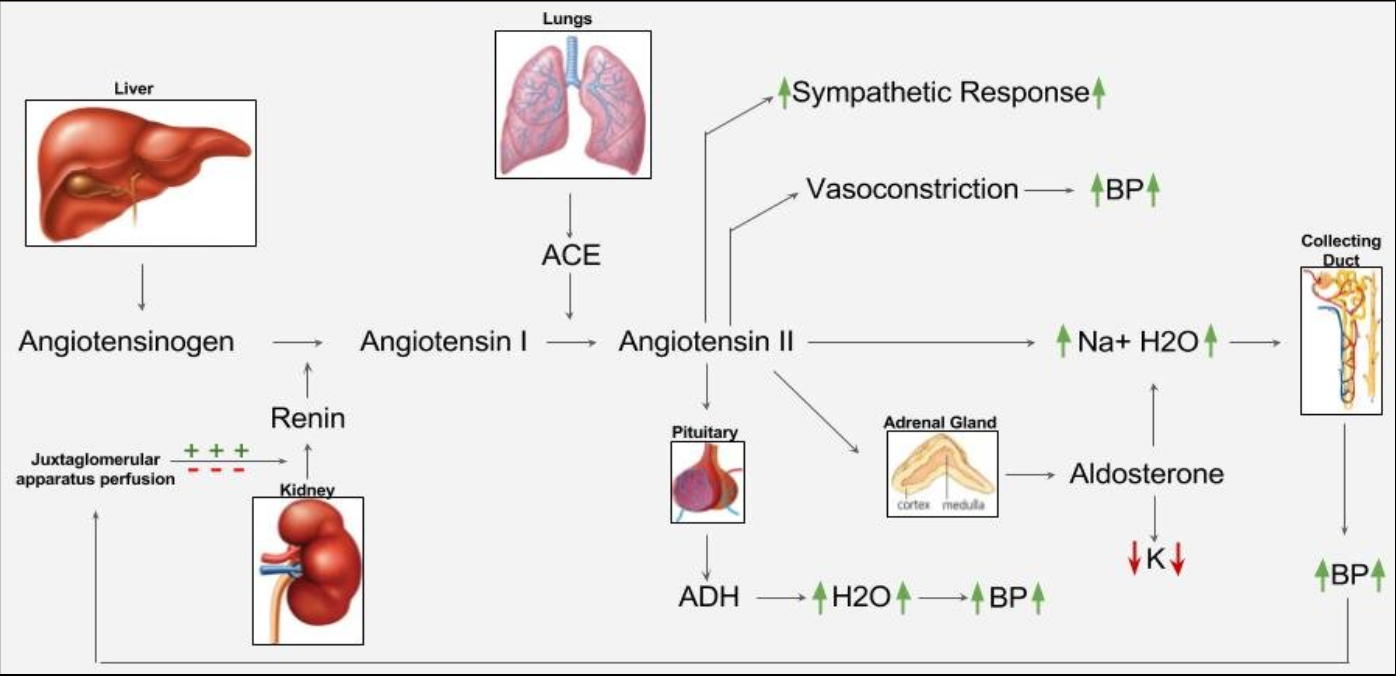
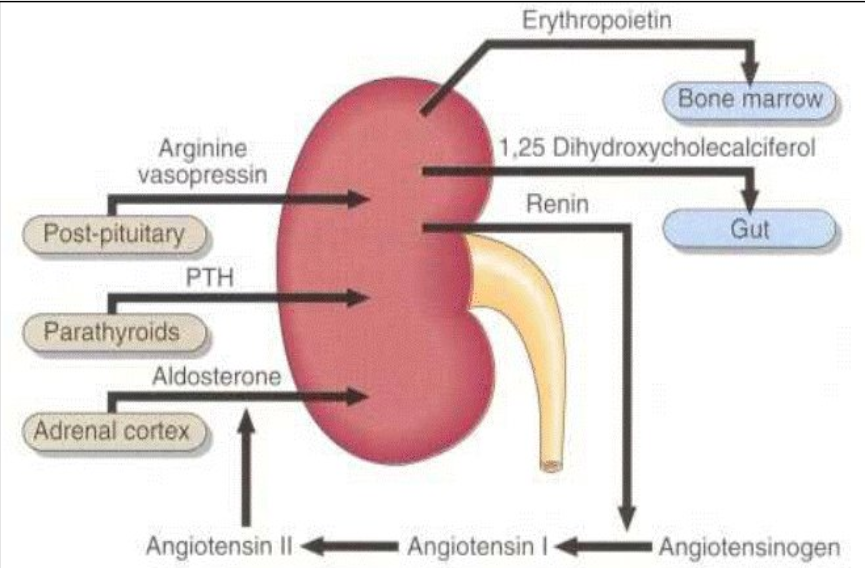
- Adrenal hormone acting at the collecting duct to trade sodium reabsorption for potassium secretion, slowly and under hormonal control
- Ammonium
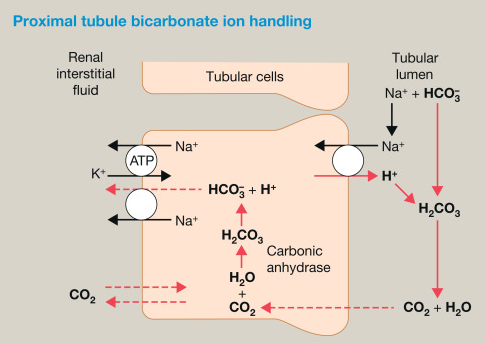
- Manufactured, adjustable urinary buffer that carries most of the daily fixed acid load out of the body
- Angiotensin II
- Active hormone of the RAAS; among the most potent vasoconstrictors the body produces, acting in six places at once to raise pressure or conserve volume, with preferential efferent arteriolar constriction
- Antidiuretic hormone (ADH)
- Hormone controlling water reabsorption in the collecting duct separately from sodium; volume signals override osmolality
- Autoregulation
- Intrinsic mechanisms that hold GFR nearly constant across a mean arterial pressure of roughly 80 to 180 mmHg in a normotensive person
- Bradykinin
- Vasodilator and inflammatory mediator normally degraded by ACE; its accumulation under ACE inhibition produces the dry persistent cough and, less often, angioedema
- Cardiorenal syndrome
- Renal dysfunction in decompensated heart failure driven more consistently by elevated right-sided filling pressures than by low cardiac output
- Compliance (bladder)
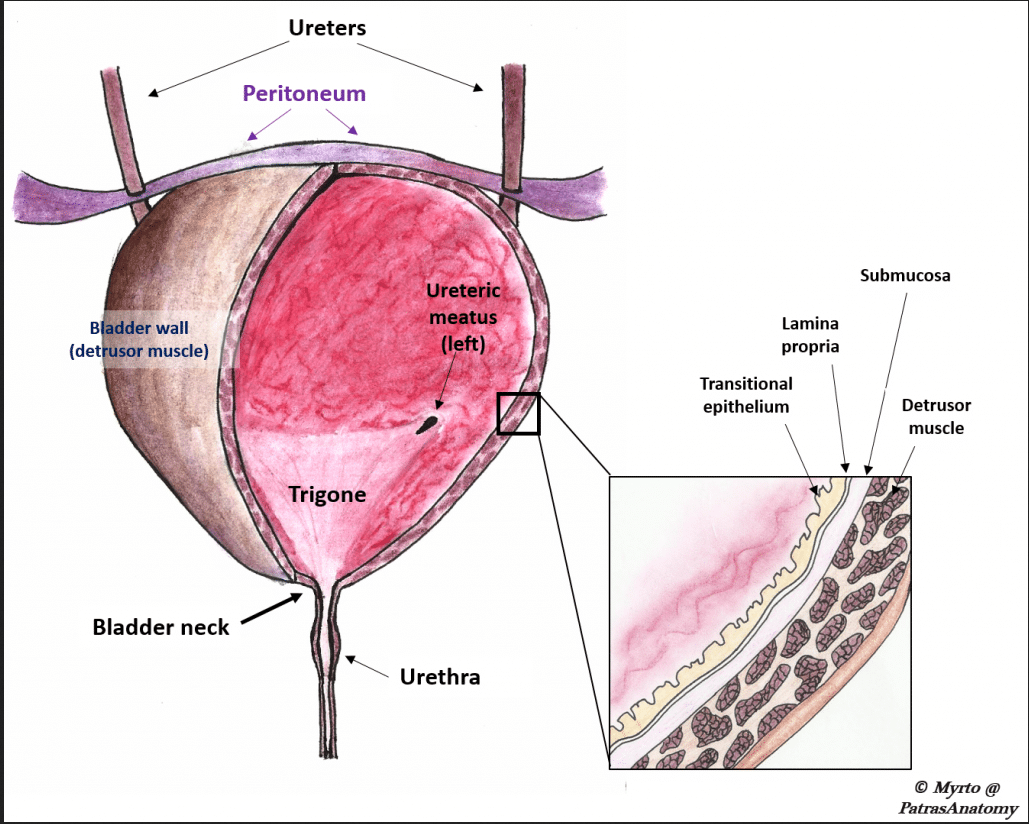
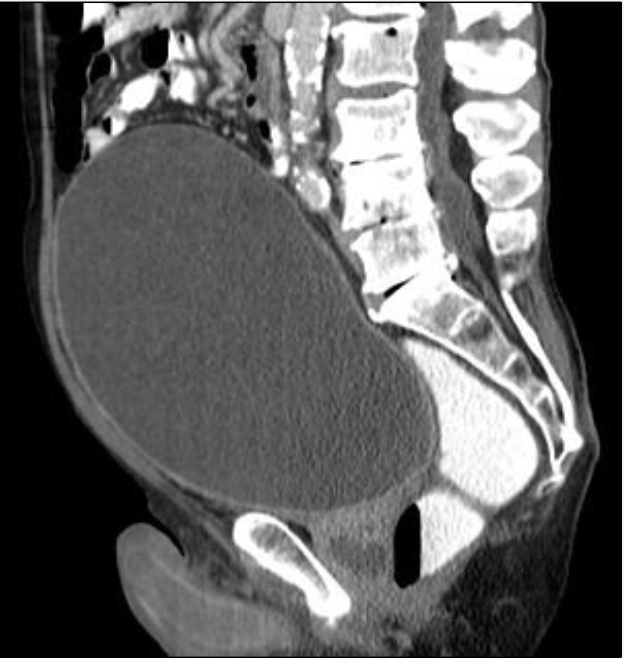
- The bladder's ability to accept volume without a rise in pressure; when lost, sustained pressure transmits backward up the ureters and damages the upper tract
- Cortex (renal)
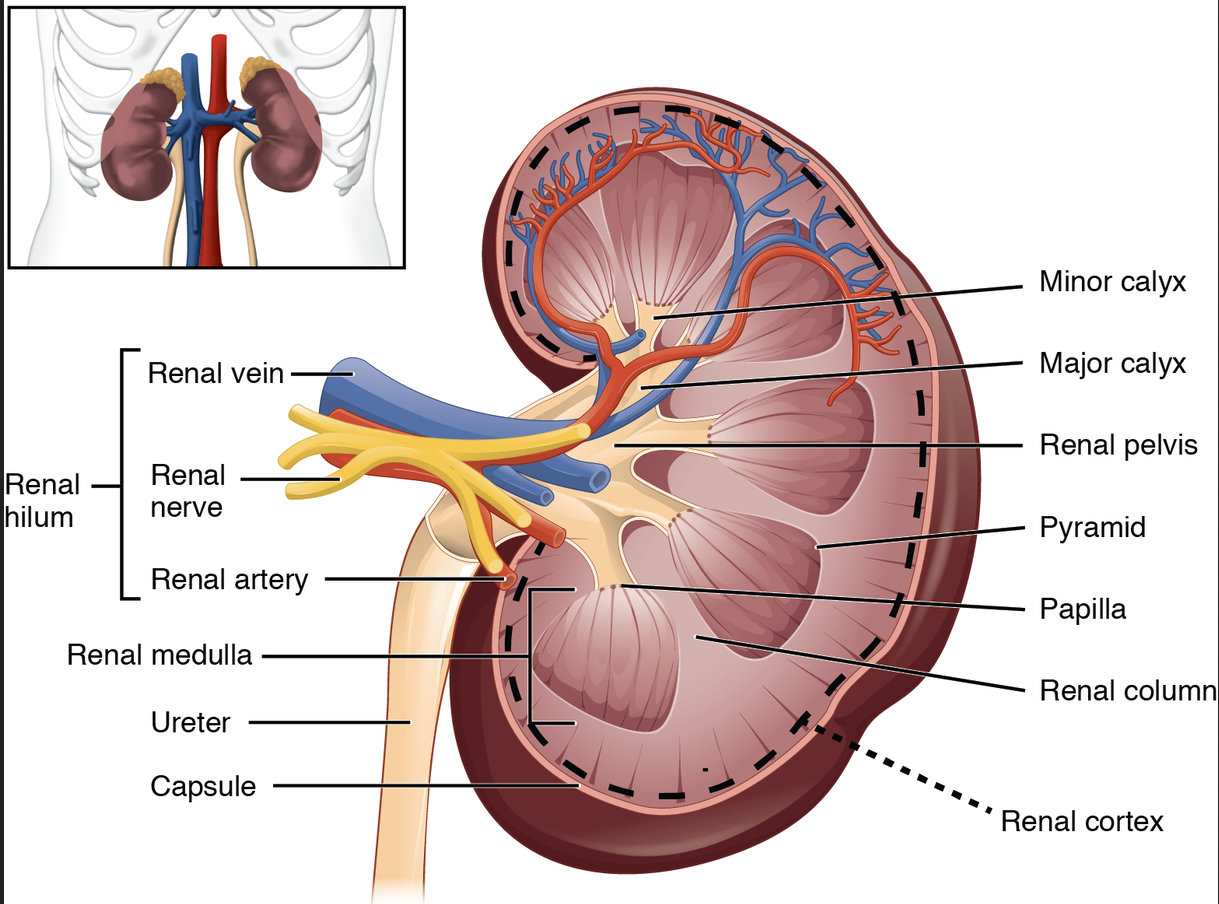
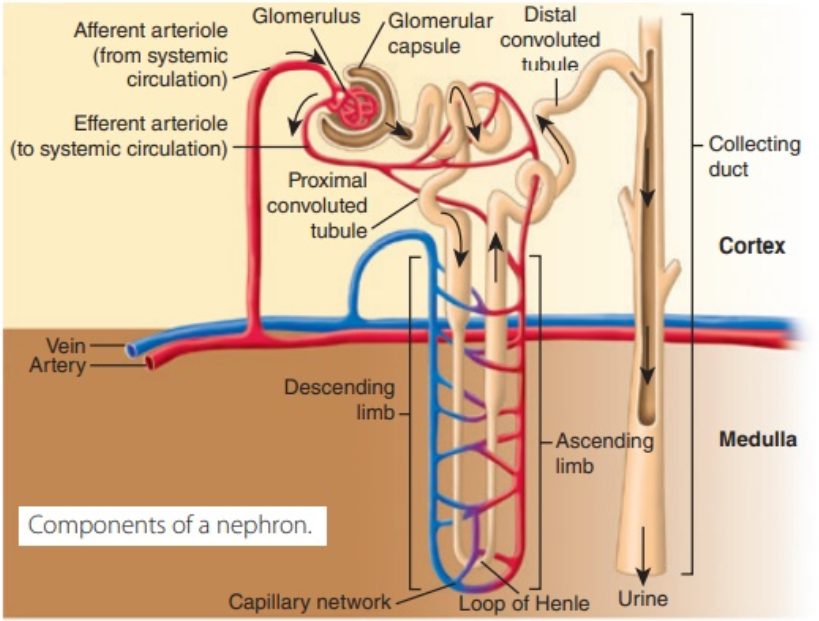
- Outer layer of the kidney, roughly 1 cm thick, containing all the glomeruli, the proximal and distal convoluted tubules, and the peritubular capillaries
- Cortical nephrons
- About 85 percent of nephrons, with glomeruli in the outer cortex and short loops of Henle; handle the bulk of routine filtration
- Countercurrent exchange
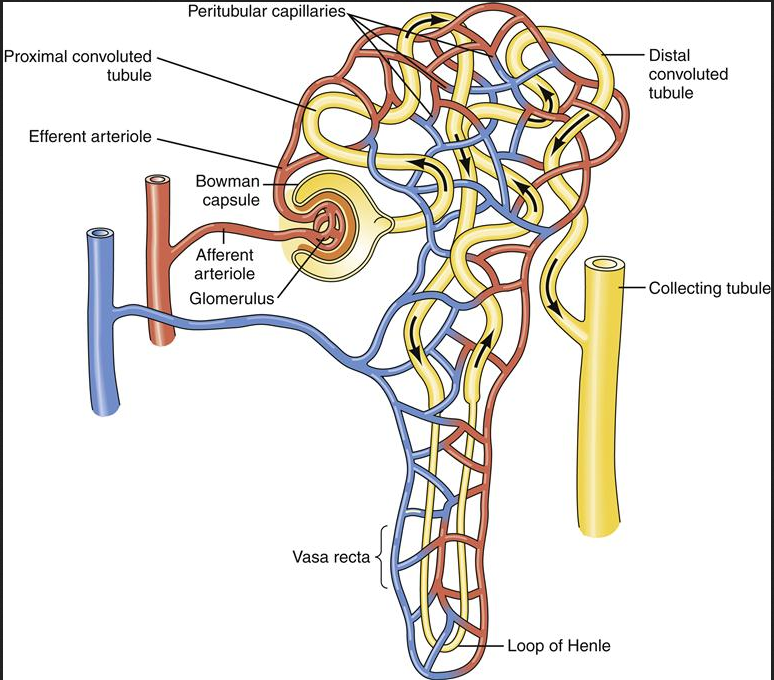
- The hairpin geometry of the vasa recta that perfuses the medulla without washing out the osmotic gradient the loops built
- Countercurrent multiplication
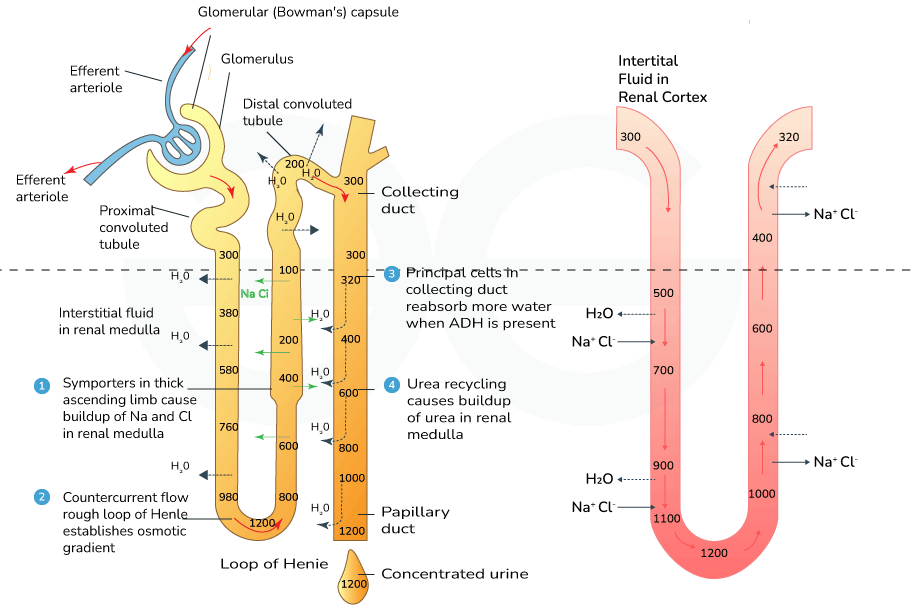
- The loop of Henle process that builds the medullary osmotic gradient required to concentrate urine
- Cystocele
- Bladder descent into the anterior vaginal wall from weakened pelvic floor support
- Distal convoluted tubule (DCT)
- Tubule segment containing NCC, the thiazide target, with a role in calcium handling
- Erythropoietin (EPO)
- Hormone produced by interstitial fibroblasts in the renal cortex that drives red cell production; triggered by tissue oxygen tension through hypoxia-inducible factor, not by hemoglobin or saturation
- External urethral sphincter
- Skeletal muscle within the pelvic floor, innervated by the pudendal nerve from S2 to S4; the sphincter under conscious control, and because it is skeletal muscle, it fatigues
- Extraglomerular mesangial cells
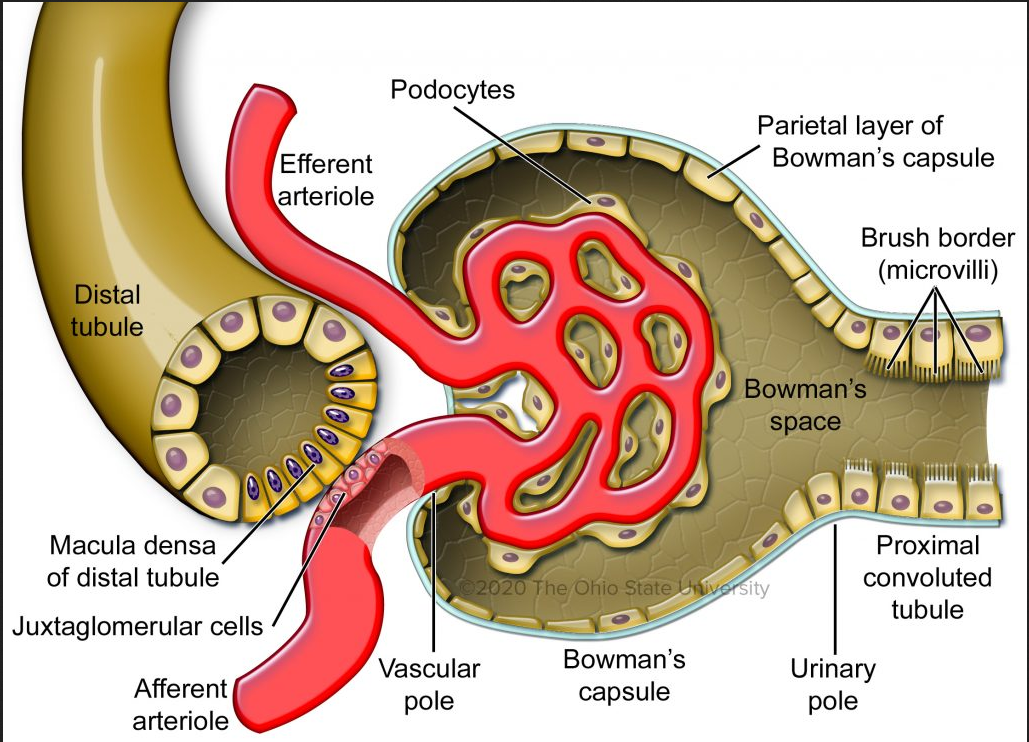
- Contractile cells filling the space between the arterioles and the macula densa; relay signals between them and adjust the surface area available for filtration
- Filtration
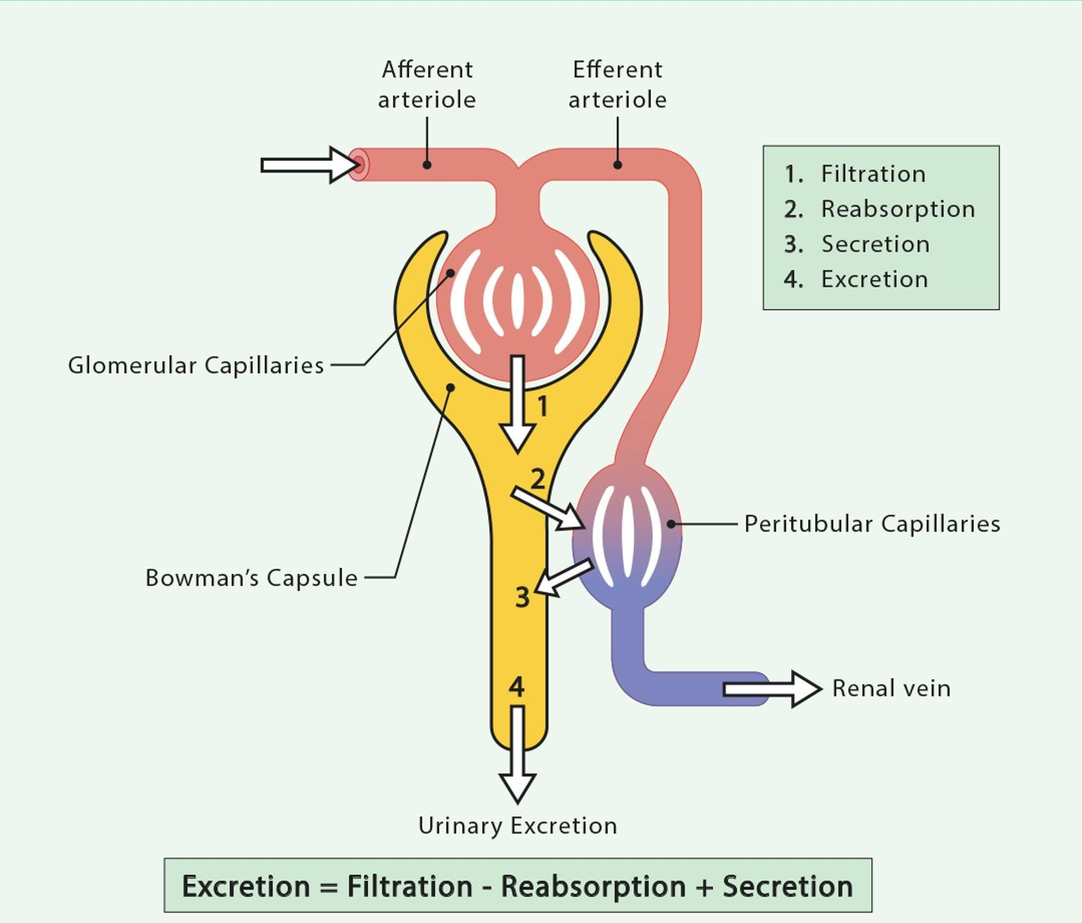
- Indiscriminate, pressure-driven movement of plasma across the glomerular barrier
- Filtration fraction
- The proportion of renal plasma flow that is filtered; a rising value signals a kidney compensating hard, not a kidney that is well
- Gerota fascia
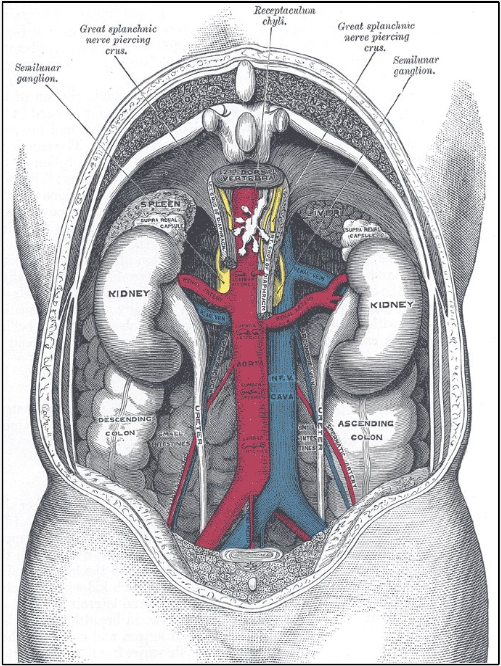
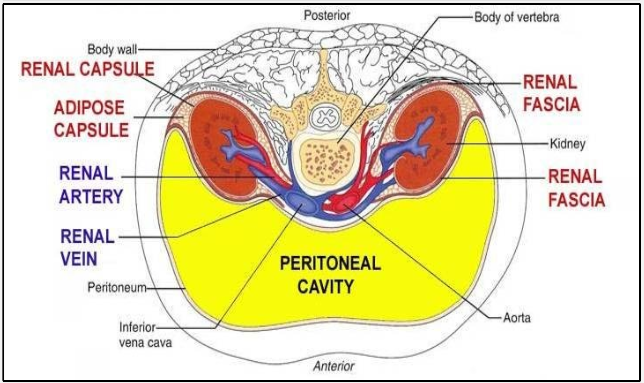
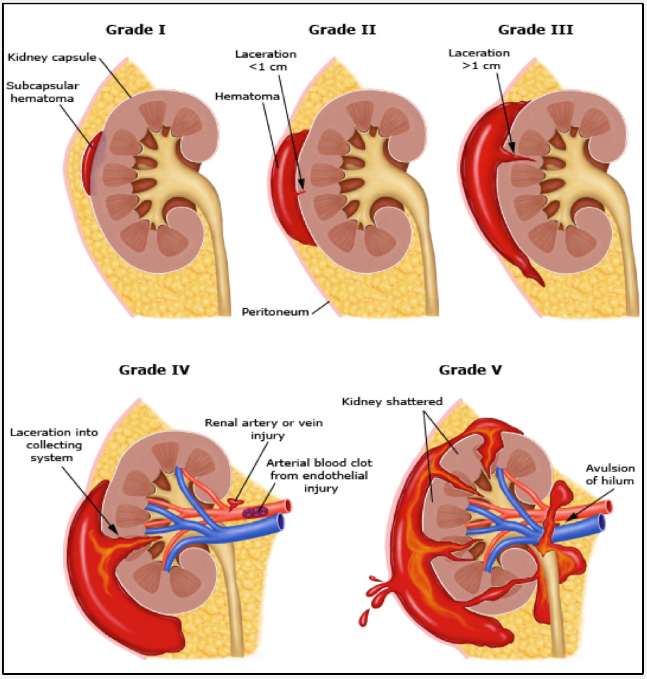
- Fibrous envelope around the kidney and its fat; tamponades hemorrhage, which both limits bleeding and hides it
- Glomerular filtration rate (GFR)
- Volume of filtrate produced by all functioning nephrons per unit time, about 90 to 120 mL/min in a healthy adult; falls roughly 1 mL/min per year after age 40
- Glucosuria
- Glucose in the urine, almost always meaning the filtered load exceeded the transport maximum; points to blood glucose except with SGLT2 inhibitors or proximal tubular disease
- Grey-Turner's sign
- Flank ecchymosis from retroperitoneal bleeding; takes hours to a day or more to become visible, so finding it means bleeding has been ongoing
- Hilum
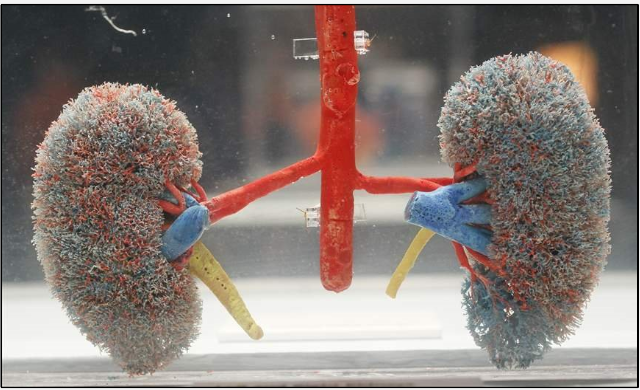
- Medial notch where structures enter and leave the kidney; from front to back the arrangement is vein, artery, ureter
- Internal urethral sphincter
- Smooth muscle at the bladder neck under sympathetic alpha-1 control, not voluntary command; relaxed by alpha-1 blockers such as tamsulosin
- Juxtaglomerular apparatus
- Region where the thick ascending limb passes between the arterioles of its own glomerulus; the sensor and actuator pairing that originates the RAAS
- Juxtaglomerular cells
- Cells of the afferent arteriole that store renin in granules and release it in response to low stretch, low tubular sodium chloride, or beta-1 stimulation
- Juxtamedullary nephrons
- The roughly 15 percent of nephrons with deep cortical glomeruli and long loops running into the medulla; build and maintain the medullary osmotic gradient
- Kussmaul breathing
- Deep, rapid compensatory hyperventilation seen in advanced uremic acidosis
- Macula densa
- Patch of closely packed cells in the thick ascending limb wall that senses tubular sodium chloride concentration as a proxy for filtration
- Medullary osmotic gradient
- Rising interstitial concentration from about 300 mOsm/kg in the cortex to roughly 1200 mOsm/kg at the papilla tip; the environment that makes concentrated urine possible
- Membranous urethra
- Short segment passing through the pelvic floor and external sphincter; the least mobile and most vulnerable segment, disrupted by pelvic fractures
- Micturition reflex
- Spinal voiding reflex with cortical override on top; remains intact in comatose patients, which is why they still void
- Natriuretic peptides
- Hormones that oppose the entire renin-angiotensin-aldosterone system
- Nephrology
- Medical specialty concerned with kidney function and the diseases that impair it; manages dialysis, transplant medicine, electrolyte disorders, and hypertension
- Nephron
- One complete filtering and processing unit: a filter, a tube, and the vessels wrapped around that tube; roughly a million per kidney, and none regrow once lost
- Net filtration pressure
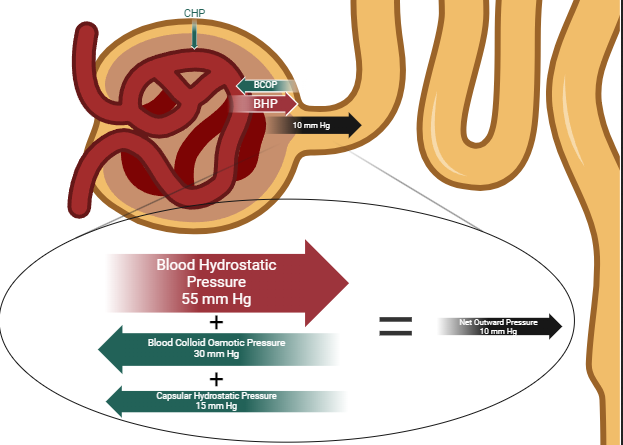
- The balance of glomerular capillary hydrostatic, Bowman capsule hydrostatic, and colloid osmotic pressures, netting about 10 mmHg outward
- Paracellular transport
- Passive movement between adjacent cells through tight junctions, driven by concentration and electrical gradients; reclaims a substantial amount of calcium and magnesium in the thick ascending limb
- Pararenal fat
- Fat lying outside Gerota fascia
- Pelvic brim
- Mid-course ureteral narrowing where the ureter crosses the iliac vessels; stone pain here radiates toward the lower quadrant
- Perirenal fat
- Shock-absorbing fat surrounding the renal capsule; very lean patients and children have less, one reason children sustain renal injury at lower force
- Peritubular capillaries
- Second capillary bed of cortical nephrons; high oncotic pressure after glomerular filtration drives reabsorption forward
- Prostatic urethra
- Segment passing through the prostate below the bladder neck; circumferential compression by prostatic enlargement produces hesitancy, weak stream, incomplete emptying, and eventually retention
- Proteinuria
- Protein in the urine indicating a leaking barrier or failed tubular reclamation; evidence of nephron damage, the earliest marker of diabetic kidney disease, and an independent predictor of progression
- Proximal convoluted tubule (PCT)
- Site of bulk reabsorption, glucose and amino acid recovery, and drug secretion; vulnerable to ischemia
- Reabsorption
- Selective, energy-dependent recovery of filtered substances, subject to transport ceilings
- Rectocele
- Rectal descent into the posterior vaginal wall from weakened pelvic floor support
- Renal capsule
- Tough fibrous layer bound directly to the kidney surface with almost no give; swelling beneath it raises pressure quickly and produces pain
- Renal perfusion pressure
- Mean arterial pressure minus renal venous pressure
- Renal sinus
- Fat-filled space opening from the hilum that houses the vessels, the calyces, and the renal pelvis
- Renal tubular acidosis
- Group of disorders in which filtration is preserved but the tubule fails at acid handling, producing a normal anion gap acidosis with a compensating rise in chloride
- Renin
- Enzyme prestored in granules within juxtaglomerular cells; released by reduced afferent stretch, low sodium chloride at the macula densa, or beta-1 stimulation, and the rate-limiting step of the RAAS
- Secretion
- Transport of substances from blood into tubular fluid; clears drugs through organic anion and cation transporters and manages potassium and acid distally
- Segmental arteries
- Functional end arteries within the kidney with no meaningful collateral circulation; occlusion infarcts the supplied tissue in a sharply demarcated pattern
- SGLT2 inhibitors
- Drugs ending in -flozin that block proximal glucose reabsorption, lowering the threshold so glucose spills at normal blood levels; contribute to volume depletion and allow ketoacidosis with near-normal glucose
- Spongy (penile) urethra
- Longest urethral segment, running through the corpus spongiosum to the meatus; its two mild curves straighten when the penis is lifted during catheter placement
- Thick ascending limb
- Loop segment containing NKCC2, the pump that builds the medullary gradient and the target of loop diuretics
- Titratable acid
- Hydrogen bound to filtered buffers, principally phosphate; has a fixed ceiling set by the filtered buffer load
- Transcellular transport
- Movement through the tubular cell, in one membrane and out the other; selective and able to move substances against a gradient, but requires transporters and energy
- Type A intercalated cells
- Collecting duct cells that secrete hydrogen ions using an H+-ATPase and reclaim potassium through an H+/K+ exchanger
- Type B intercalated cells
- Collecting duct cells that secrete bicarbonate when the body is alkalotic
- Ureteropelvic junction
- Highest ureteral narrowing, where the renal pelvis becomes the ureter; obstruction here produces the most flank-dominant pain
- Ureterovesical junction
- Narrowest point of the ureter, at its oblique entry into the bladder wall; the oblique tunnel acts as an anatomic antireflux valve, and obstruction here refers pain to the groin, genitals, and bladder with urinary urgency
- Urology
- Surgical specialty concerned with the drainage system and the male reproductive tract: stones, obstruction, tumors, and the prostate
- Vasa recta
- Long hairpin capillary loops of juxtamedullary nephrons that supply the medulla with blood without washing out the salt gradient
- Vesicoureteral reflux
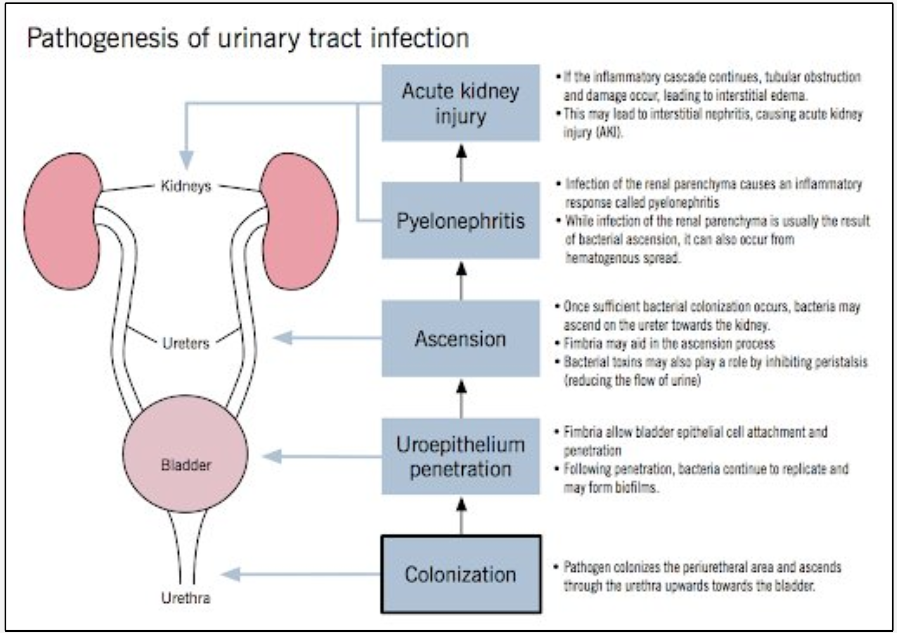
- Failure of the ureterovesical valve mechanism, allowing bladder infection to be driven up into the kidney