Effective bag-mask ventilation requires an open airway, a maintained mask seal, and controlled delivery of each breath. A problem with any of these can prevent gas from reaching the lungs, even when the bag appears to compress normally.
Deliver each breath smoothly over approximately one second, using only enough volume to produce visible chest rise. The goal is a gentle rise resembling a normal breath, followed by time for the chest to fall. Large, rapid bag compressions can produce excessive pressure, gastric inflation, and unnecessary lung distention.
Prepare the Airway and Equipment
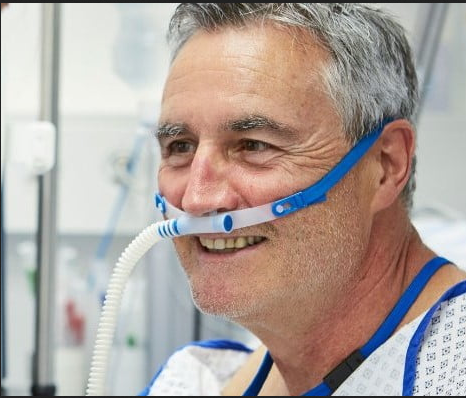
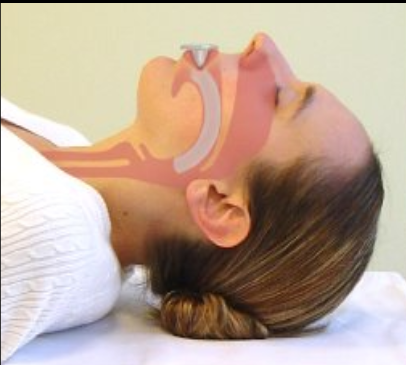
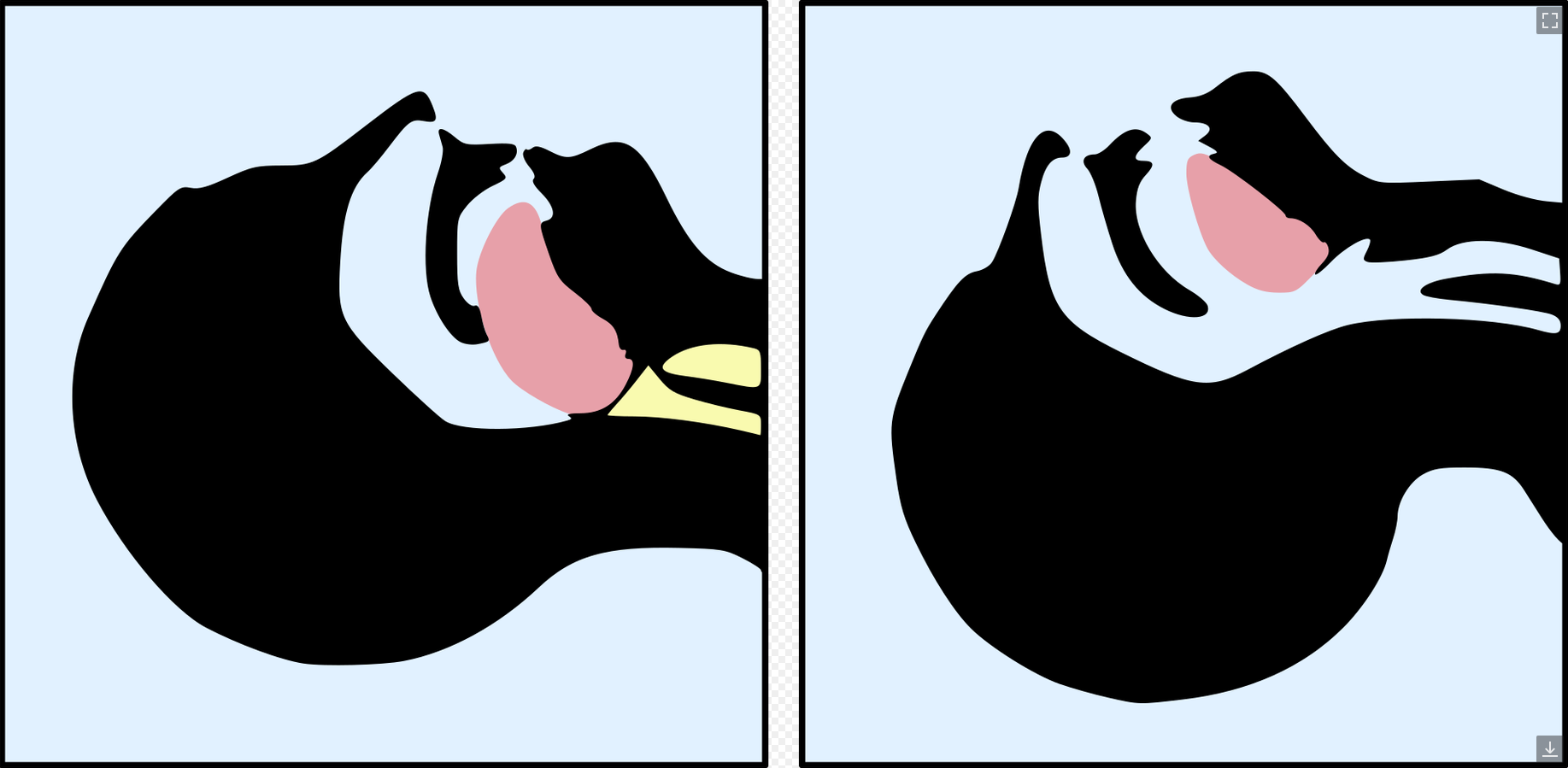
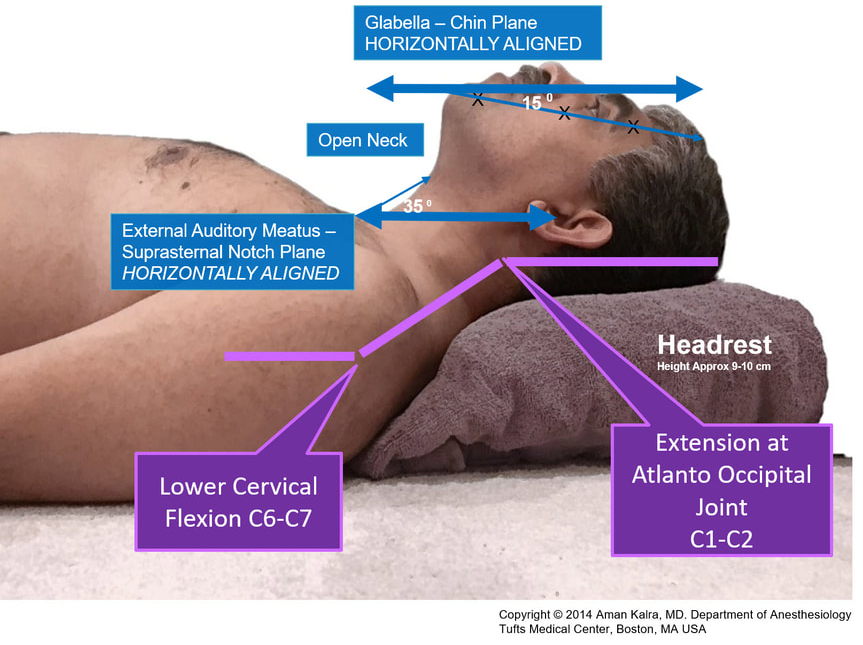
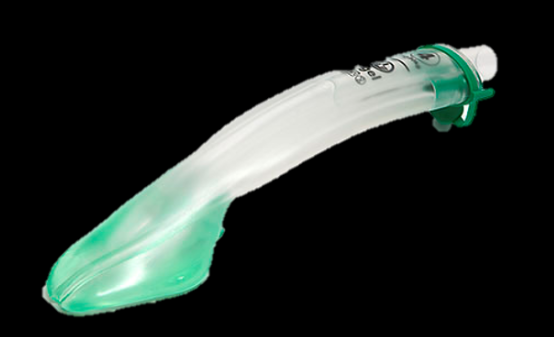
Position the patient before attempting ventilation. Use an appropriate head tilt–chin lift or jaw thrust, and add head or torso elevation when indicated. Suction blood, vomit, or secretions that interfere with airflow. Insert an appropriately sized OPA or NPA when suitable.
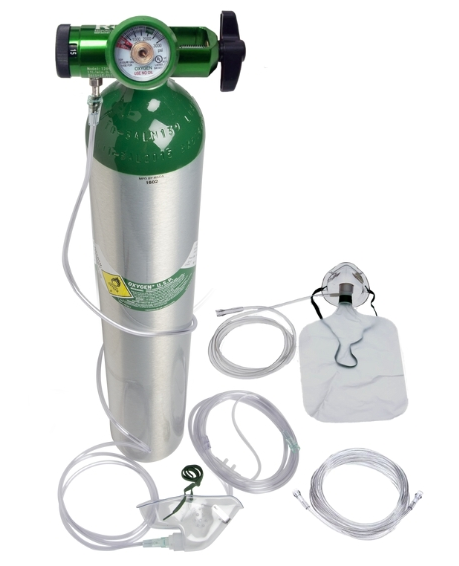
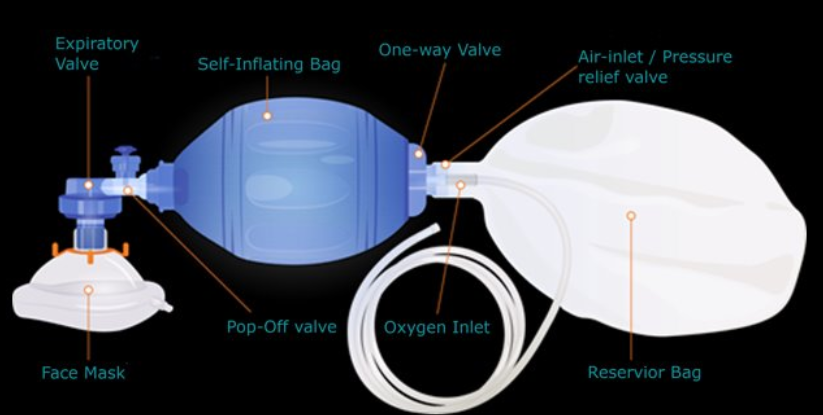
Select a mask that covers the nose and mouth without extending into the eyes or beyond the chin. Check the bag, valves, connections, oxygen supply, and reservoir. Position yourself where you can maintain the airway while observing the chest.
Seating the Mask on the Face
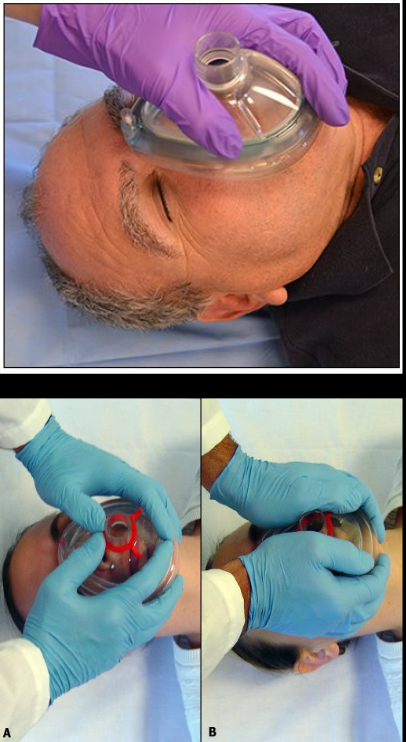
Begin by placing the narrow upper portion of the mask over the bridge of the nose, keeping the cushion below the eyes. Then gently roll or unfurl the mask downward over the mouth, allowing its cushion to settle against the cheeks and lower face. This helps establish the nasal seal before seating the remainder of the mask.
Check that the cushion has not folded inward and that the lower lip remains inside the mask. The mask should follow the facial contours without compressing the eyes or trapping the lip beneath its edge.
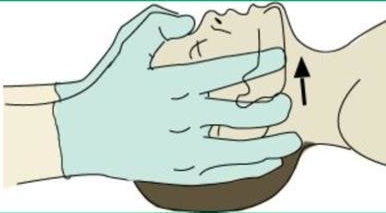
Once the mask is seated, bring the jaw and face upward into it. Think of scooping the supported facial anatomy into the mask: lift the bony mandible and support the cheeks so the tissues meet the cushion. Do not dig into the soft tissues beneath the chin or simply push the mask harder against the face.
Lift the Jaw Into the Mask
The mask hand performs two jobs at once: maintaining contact between the cushion and face, and keeping the airway open. Gentle pressure on the mask balances an upward lift of the mandible.
Pressing downward without lifting the jaw can push the mandible backward and worsen soft-tissue obstruction. A tight external seal may then conceal a blocked airway. Keep the lifting fingers on the bony jaw, avoiding pressure into the floor of the mouth.
The One-Handed C–E Grip
The one-handed C–E grip allows one clinician to hold the mask with one hand while squeezing the bag with the other. The thumb and index finger form a C around the mask connection and stabilize the mask. The middle, ring, and little fingers form the E along the mandible and lift it toward the mask.
The thumb helps control the upper seal near the nose, while the index finger stabilizes the lower portion of the mask. The remaining fingers maintain jaw elevation. Avoid closing the mouth tightly or allowing the fingers to press into the tissues beneath the tongue.
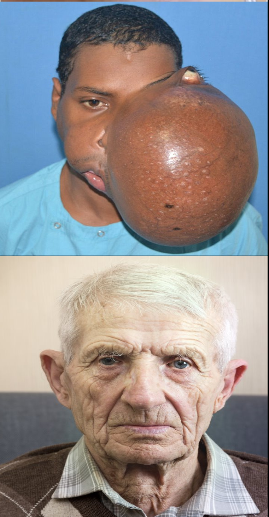
This grip can work well, but maintaining a seal and jaw lift with one hand becomes difficult with facial hair, large facial contours, missing teeth, or substantial soft-tissue obstruction. Hand fatigue may also reduce effectiveness over time.
Two-Handed C–E Grip
With the two-handed C–E grip, the clinician at the head uses both hands to hold the mask and open the airway. A second clinician squeezes the bag.
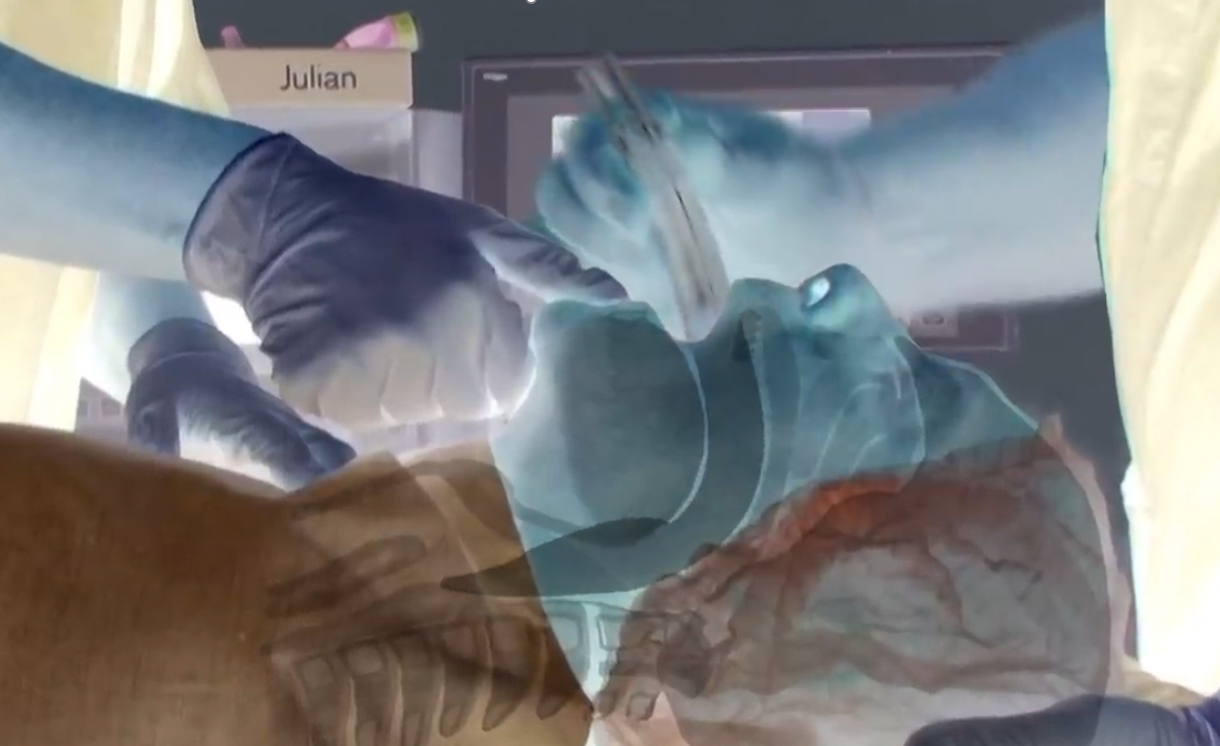
Each thumb and index finger forms a C on its side of the mask. The remaining fingers lift both sides of the mandible. This distributes control across the mask and allows a more balanced jaw lift than the one-handed grip.
Both hands should work together to bring the jaw forward and upward. Avoid using them solely to press the mask downward. Two-person bag-mask ventilation is generally more effective than asking one clinician to manage the airway, seal, and bag simultaneously.
Two-Handed Thenar-Eminence Technique
The thenar eminence is the muscular pad at the base of the thumb. In the two-handed thenar technique, these pads rest along the upper lateral portions of the mask, with the thumbs extending along its sides. The remaining fingers reach beneath the mandible and lift it toward the mask.
The broader hand contact helps stabilize the cushion, while more fingers remain available to advance the jaw. This can be useful when a conventional C–E grip provides inadequate jaw lift or becomes tiring.
Apply pressure through the mask’s supported body without collapsing its flexible cushion. Keep the hands clear of the eyes and maintain sufficient mouth opening. A second clinician delivers the breaths while the mask holder concentrates on the seal and airway position.
Choosing Between the Two-Handed Techniques
Both two-handed C–E and thenar techniques can be effective. The better choice depends on the patient’s facial anatomy, the mask design, the clinician’s hand size, and which grip produces a sustained seal with an effective jaw lift.
If one grip is unsuccessful, change the technique rather than repeatedly applying more force. A small adjustment in jaw position or hand placement may improve ventilation more than increased pressure on the mask.
Controlling the Bag With Two or Three Fingers
Using two or three fingers against the thumb to compress an adult ventilation bag can be a useful way to encourage a small, controlled squeeze. It discourages the habit of wrapping the whole hand around the bag and fully compressing it with every breath.
However, finger count is a teaching aid, not a reliable measurement of tidal volume. Bag size, material, hand size, and compression depth all affect the volume delivered. Two fingers can still deliver too much gas, and a different grip may be needed with another device.
Watch the patient rather than aiming for a particular amount of bag collapse. Compress smoothly over approximately one second, only far enough to produce visible chest rise, then release. Do not continue squeezing to empty the bag after adequate rise has occurred.
Allowing Exhalation and Avoiding Excessive Ventilation
Release the bag completely after each breath and allow the patient to exhale. Maintain the mask seal and jaw position during expiration rather than relaxing the airway hold between breaths.
Use the ventilation rate appropriate to the patient’s age and clinical situation. For an adult with a pulse but absent normal breathing, current AHA guidance uses one breath every six seconds. Cardiac arrest without an advanced airway and pediatric resuscitation require different timing.
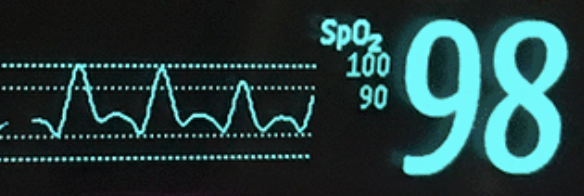
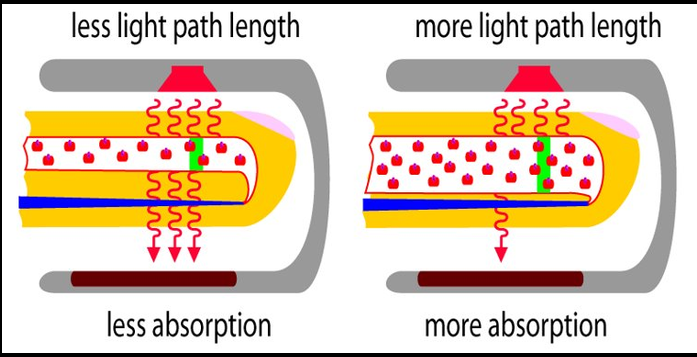
Do not increase the rate simply because oxygen saturation remains low. Reassess airway patency, chest rise, oxygen supply, and the cause of hypoxemia. Excessive rate and volume can impair venous return and leave insufficient time for expiration.
Coordinating a Two-Person Team
The clinician squeezing the bag should watch the chest and communicate with the clinician holding the mask. If chest rise is inadequate or resistance increases, report it immediately so the airway position and seal can be adjusted.
The mask holder should also identify leaks and maintain the jaw lift throughout each breath. A useful division of responsibility is for one clinician to control airway position and seal, while the other controls breath volume, timing, and observation of chest movement.
When the Chest Does Not Rise
Failure to produce chest rise should prompt correction of the problem, not repeated forceful squeezing. Reopen the airway, improve the jaw lift, reseat the mask, and move to a two-handed technique when personnel are available. Reassess the need for suction or an airway adjunct and check the equipment.
A soft, easily compressed bag with little chest movement may indicate a substantial leak. A firm bag may reflect obstruction, reduced lung compliance, or an equipment problem. Bag feel alone cannot distinguish these causes.
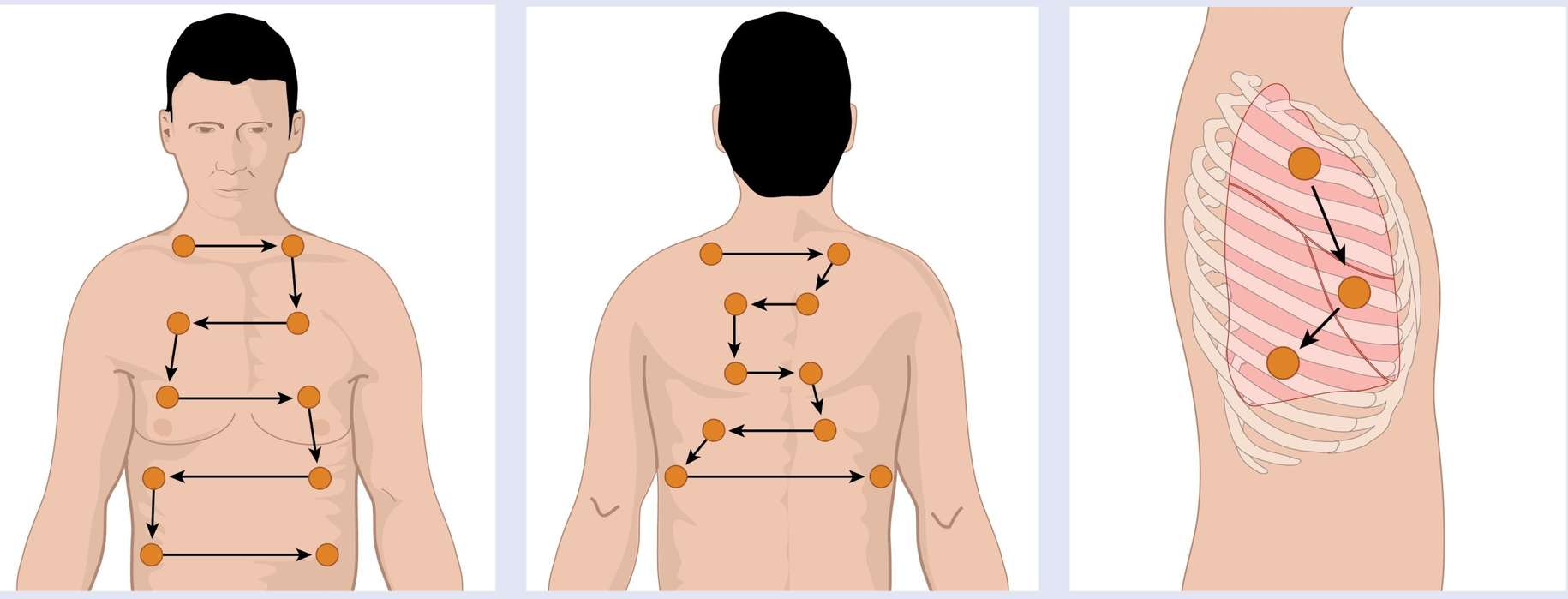
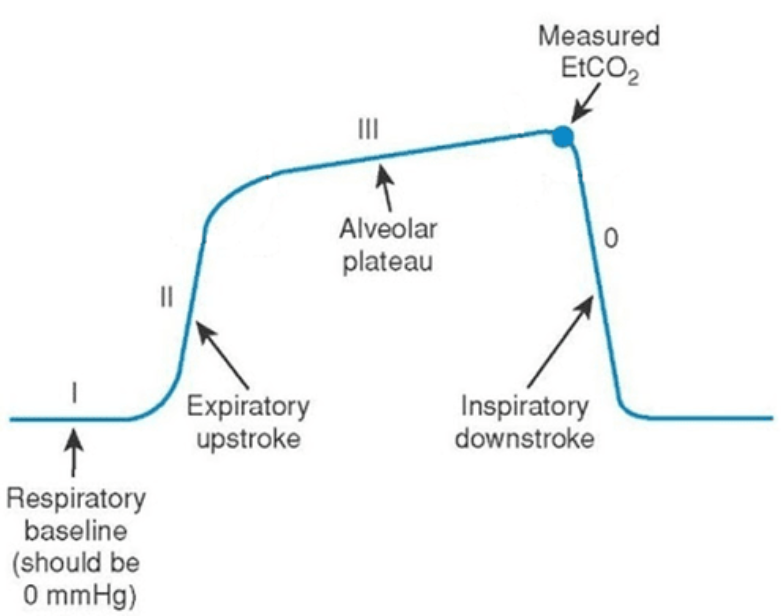
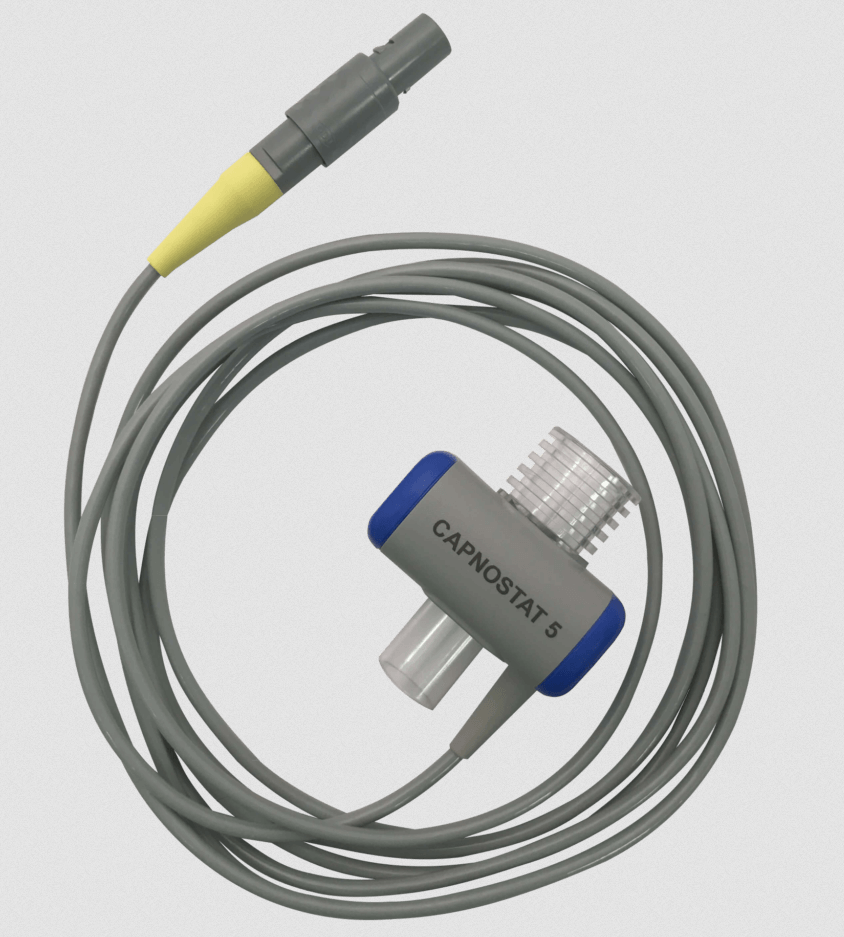
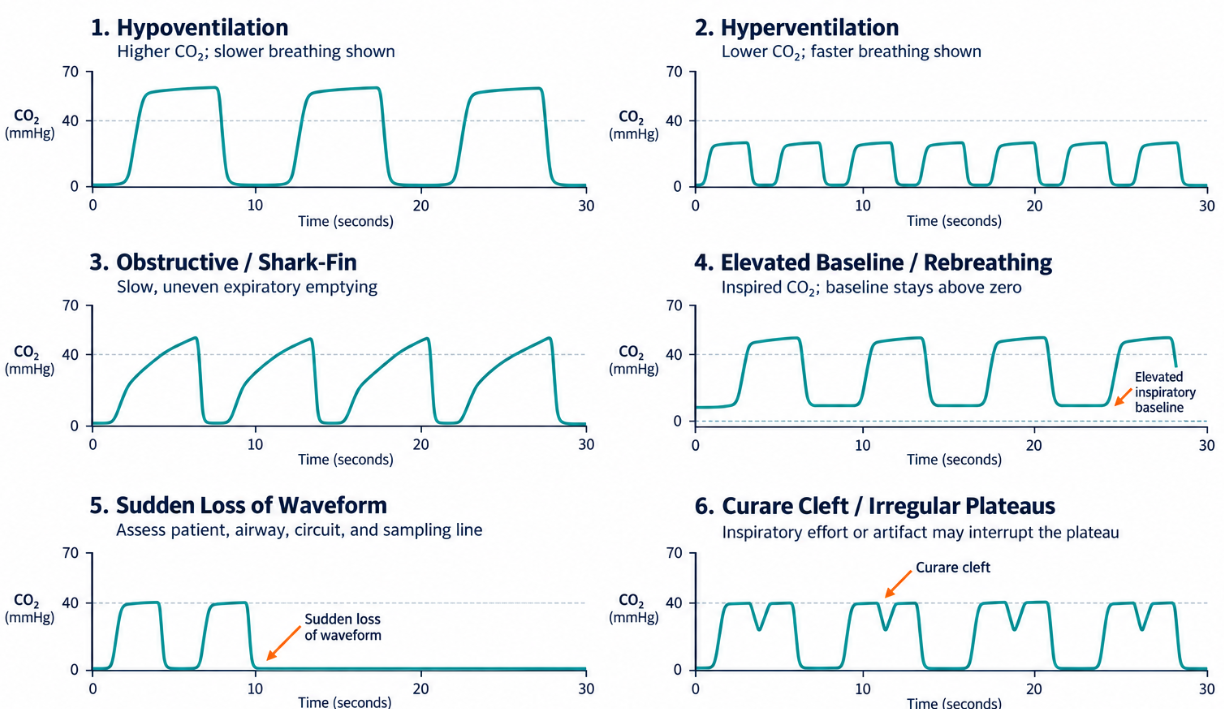
Use chest movement, breath sounds, waveform capnography when available, and the patient’s response to assess effectiveness. If optimized bag-mask ventilation remains inadequate, proceed through the appropriate rescue-airway plan.
Key Points
- Seat the mask at the bridge of the nose, then roll it downward over the mouth.
- Lift the bony jaw and support the face into the mask rather than pressing downward alone.
- Use a two-handed C–E or thenar technique with a second clinician when available.
- A two- or three-finger bag squeeze can encourage control, but it does not measure tidal volume.
- Deliver each breath over approximately one-two seconds, using only enough volume for visible chest rise.