- Oxygenation
- The process of driving oxygen across the alveolar membrane into the bloodstream.
- Ventilation
- The physical movement of air in and out of the lungs to clear carbon dioxide.
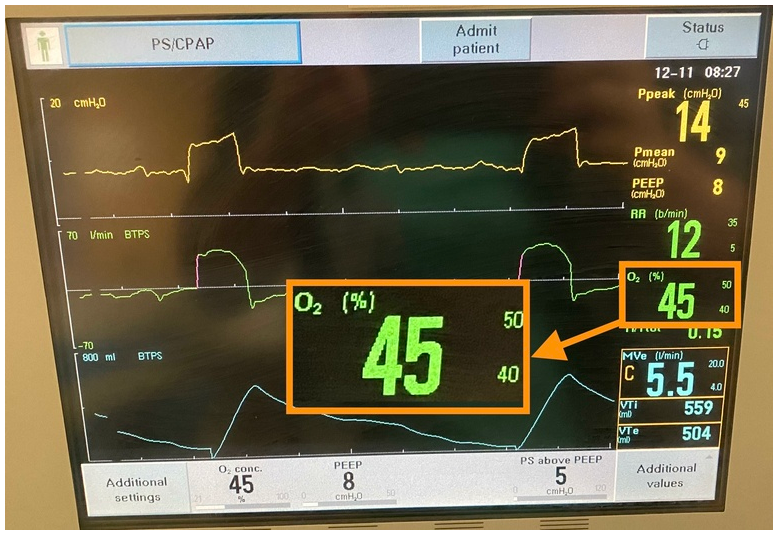
- FiO2 (Fraction of Inspired Oxygen)
- The percentage of oxygen in the delivered gas mixture, ranging from 21% (room air) to 100%.
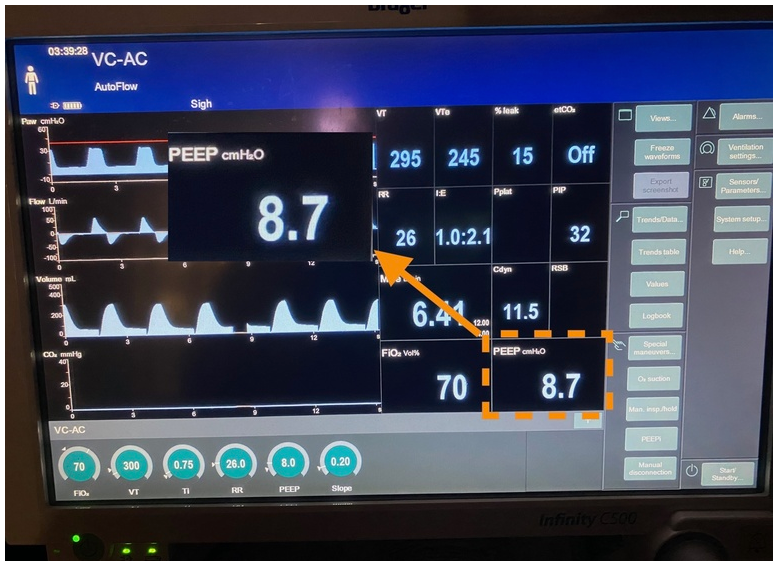
- PEEP (Positive End-Expiratory Pressure)
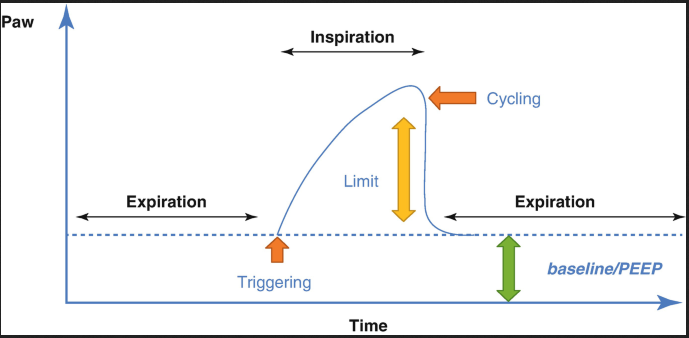
- Baseline pressure maintained in the lungs at the end of exhalation that splints alveoli open to maximize gas exchange surface area.
- Minute Volume
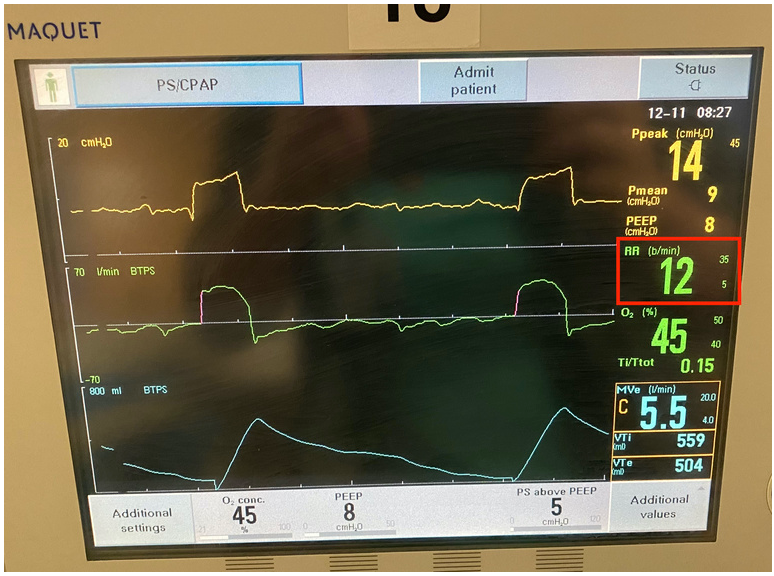
- The total volume of air moved per minute, calculated as Respiratory Rate × Tidal Volume.
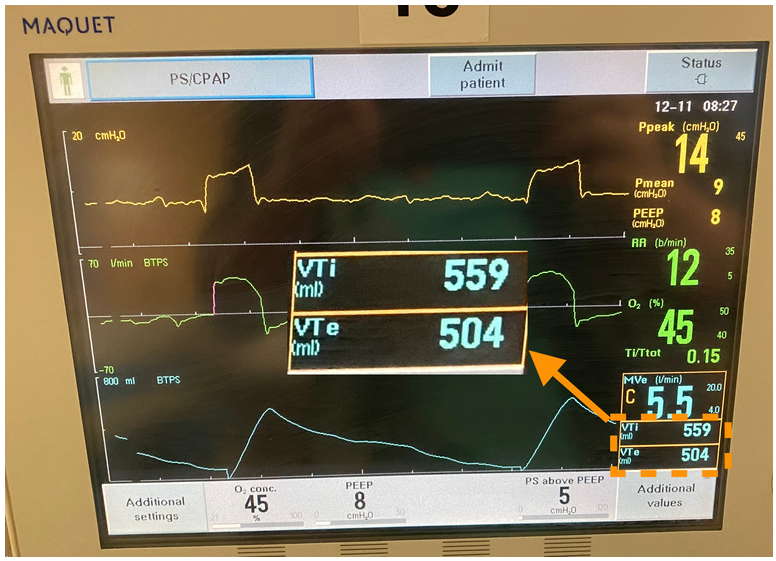
- Tidal Volume (Vt/VT)
- The physical size of a single breath, measured in milliliters.
- Hypercapnia
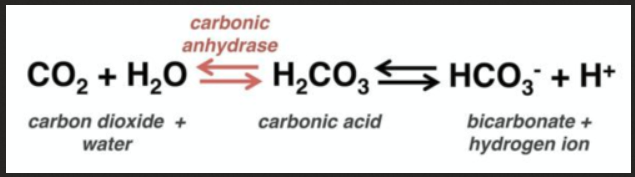
- Elevated blood CO2 levels resulting from inadequate ventilation.
- Hypercapnic Respiratory Failure
- Failure of ventilation leading to dangerous CO2 retention and falling pH.
- Neuromuscular Pump Failure
- Conditions like ALS, muscular dystrophy, or SMA where lung tissue is healthy but respiratory muscles cannot move air.
- High Cervical Spinal Cord Injury
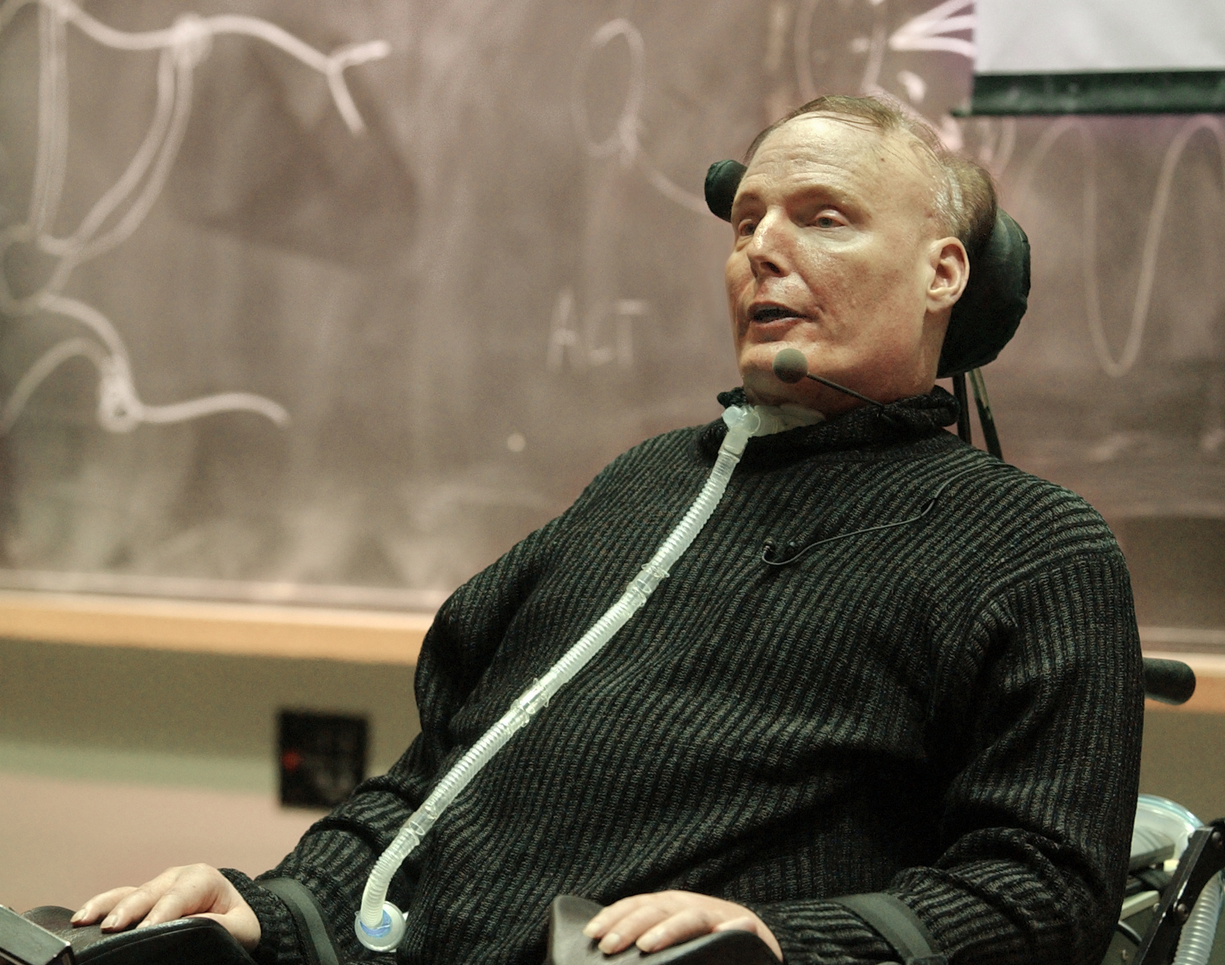
- Injury disrupting the phrenic nerve, paralyzing the diaphragm despite healthy lungs.
- Chronic Lung Disease
- End-stage parenchymal damage (e.g., COPD) causing chronic CO2 retention and often progressing from CPAP/BiPAP to invasive ventilation.
- Pediatric Chronic Respiratory Failure
- Includes premature infants with chronic lung disease and conditions like congenital central hypoventilation syndrome.
- Negative Pressure Breathing
- Normal physiological breathing where diaphragmatic contraction creates negative intrathoracic pressure that pulls air into the lungs.
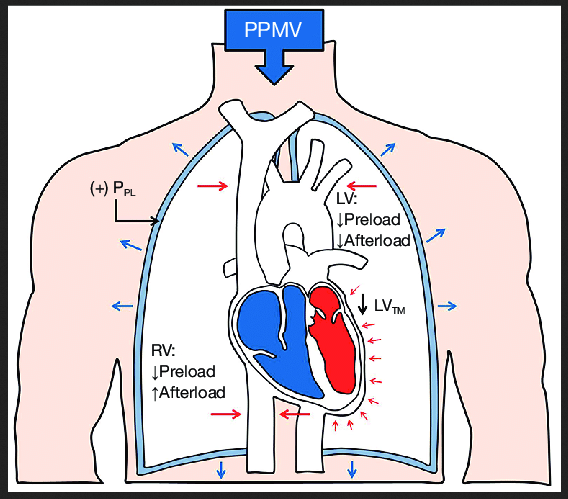
- Positive Pressure Ventilation
- Mechanical breathing that forces air into the lungs under pressure, the opposite of normal physiology.
- Trigger
- The variable that initiates a breath, either time-based (machine) or patient effort.
- Limit
- The variable controlling the breath during delivery, either pressure or flow.
- Cycle
- The variable that ends a breath, either delivered volume, elapsed time, or tapering flow.
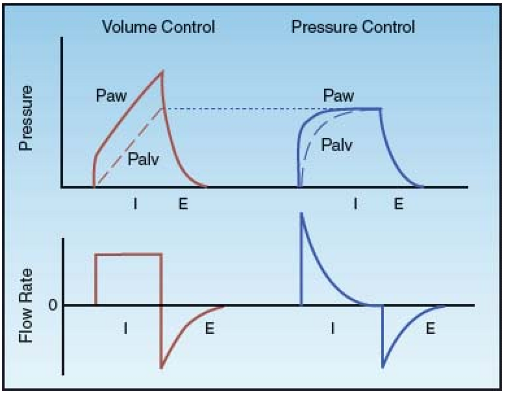
- Volume Control Ventilation
- Mode that delivers a set tidal volume regardless of resistance, with pressure as the variable.
- Pressure Control Ventilation
- Mode that delivers air to a set pressure limit, with volume as the variable.
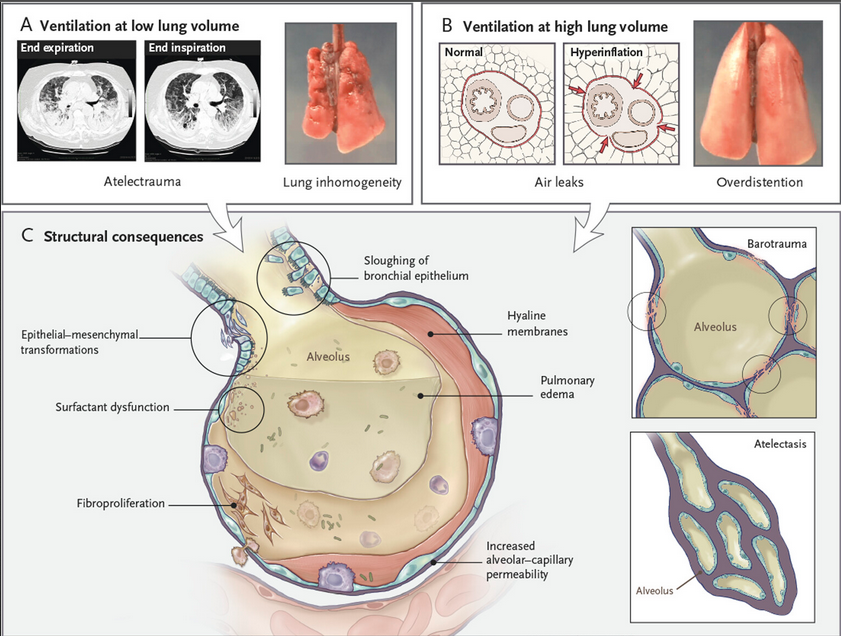
- Barotrauma
- Lung injury from excessive pressure causing alveolar rupture, pneumothorax, or pneumomediastinum.
- Volutrauma
- Lung injury from excessive tidal volume causing alveolar over-distension, micro-tearing, and inflammatory cascade resembling ARDS.
- Atelectrauma
- Shear stress injury from alveoli repeatedly collapsing and being violently re-opened with each breath.
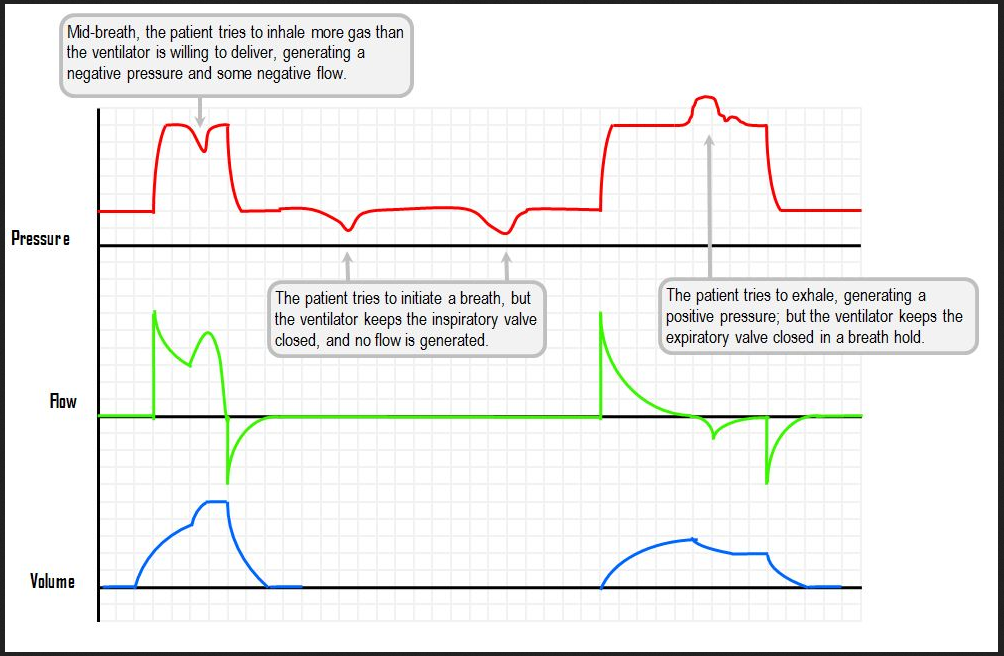
- Synchrony
- A harmonious state where the ventilator and patient breathe in coordination.
- Dyssynchrony
- A dangerous mismatch between patient effort and ventilator delivery, also called "bucking the vent."
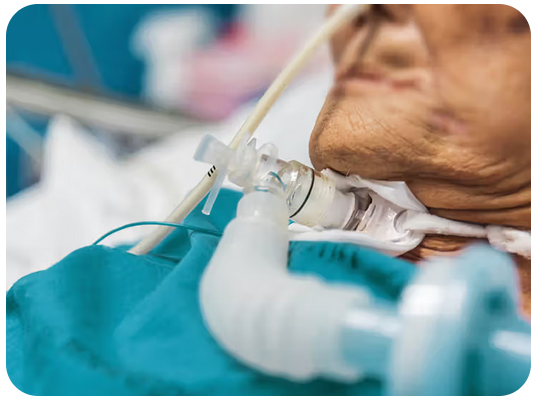
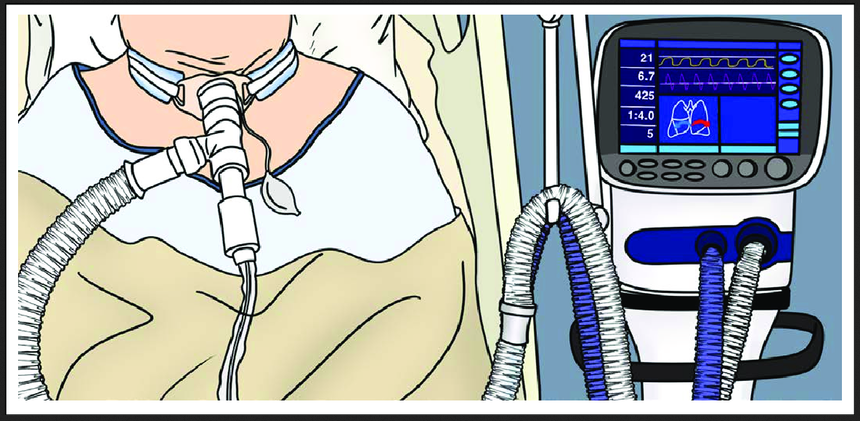
- Tracheostomy
- A surgical opening in the neck used as the most common interface for long-term 24/7 mechanical ventilation.
- Cuffed Trach Tube
- A tracheostomy tube with an inflatable balloon to seal the airway.
- Fenestrated Trach Tube
- A trach tube with a hole that allows airflow up to the vocal cords for speech.
- Passy-Muir Valve
- A one-way speaking valve that allows air in through the trach but forces exhalation through the vocal cords for speech.
- Non-Invasive Ventilation (NIV)
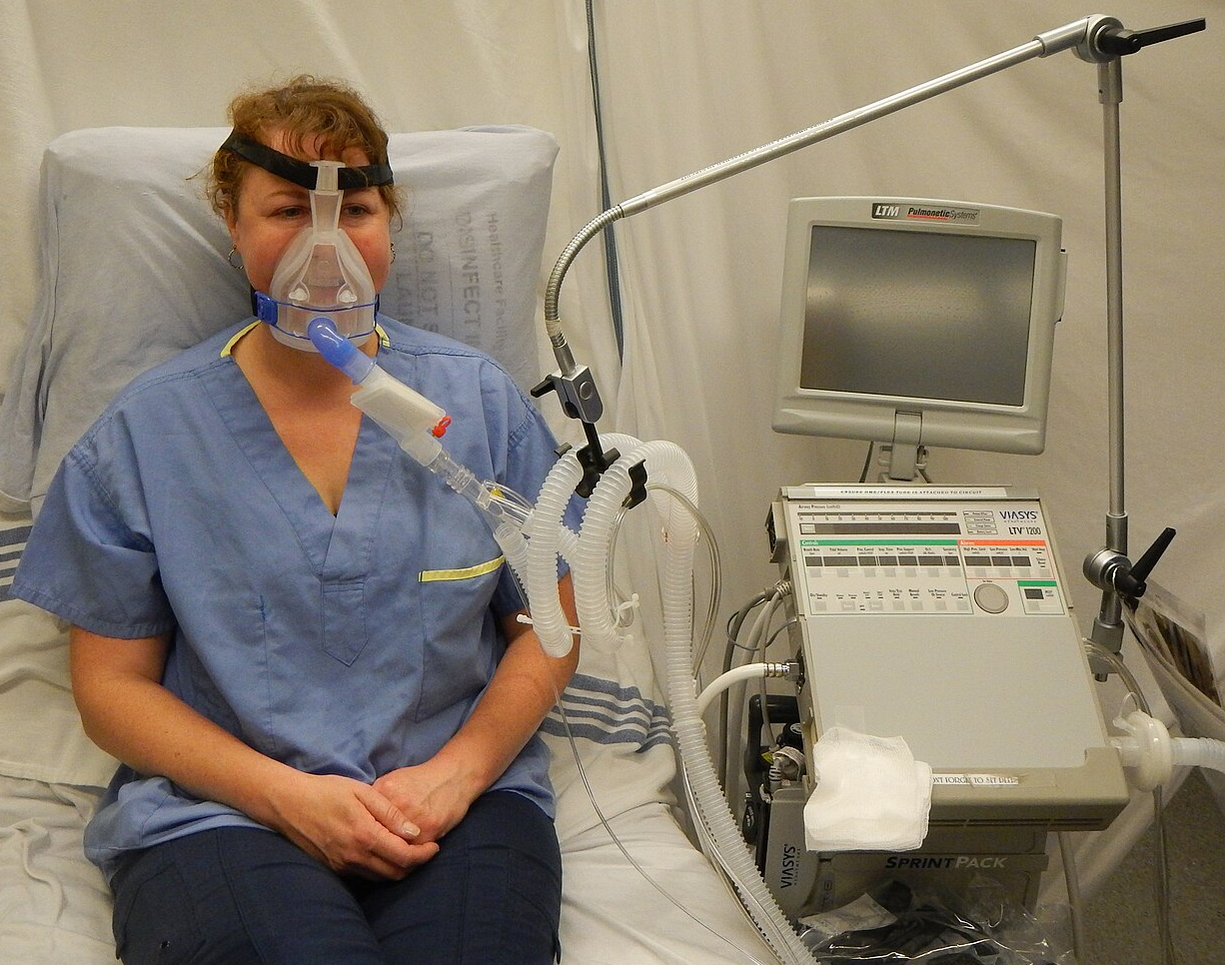
- Ventilation delivered through a full-face or nasal mask rather than a surgical airway.
- Mouthpiece Ventilation
- Non-invasive interface where the patient grabs a mouthpiece on a movable arm to trigger breaths on demand.
- Endotracheal (ET) Tube
- A temporary airway tube rarely seen in home settings; less secure than a mature tracheostomy.
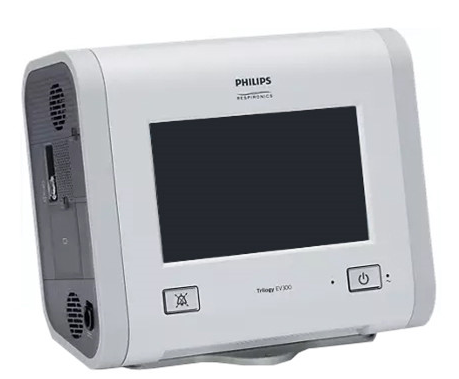
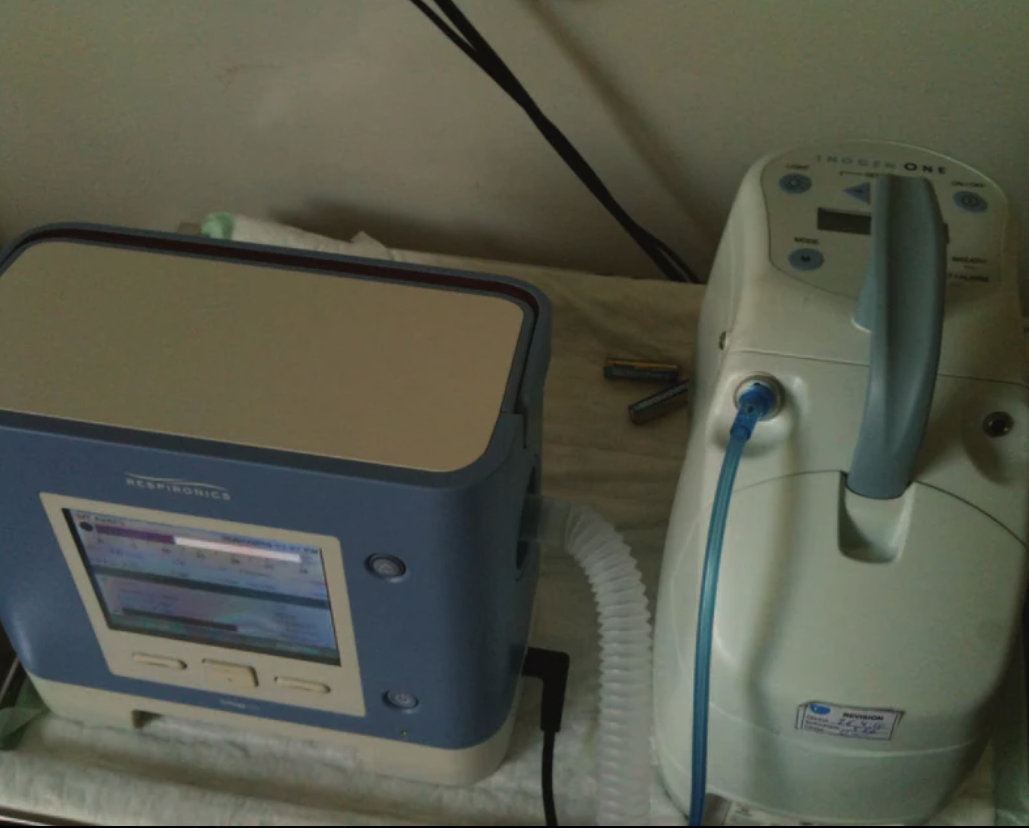
- Trilogy
- A common Philips home ventilator (100, 200, Evo) supporting both invasive and non-invasive ventilation.
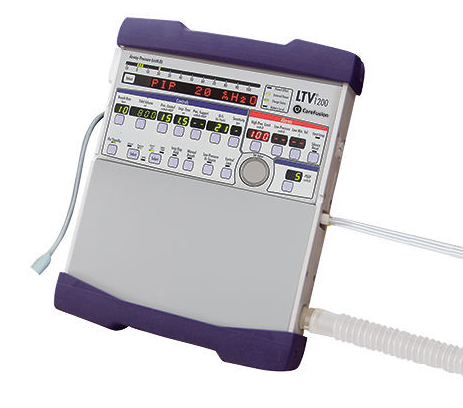
- LTV
- A rugged, button-and-dial home ventilator (1150/1200) with a vertical LED pressure bar and distinctive whirring turbine sound.
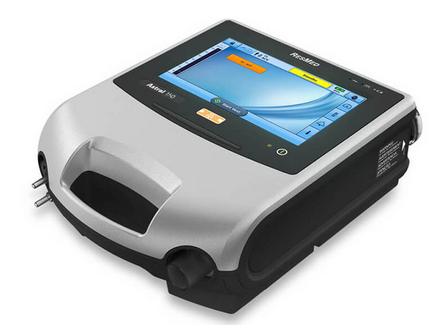
- Astral
- A modern, lightweight (under 7 lbs) touchscreen home ventilator (100/150) favored for pediatric and mobile patients.
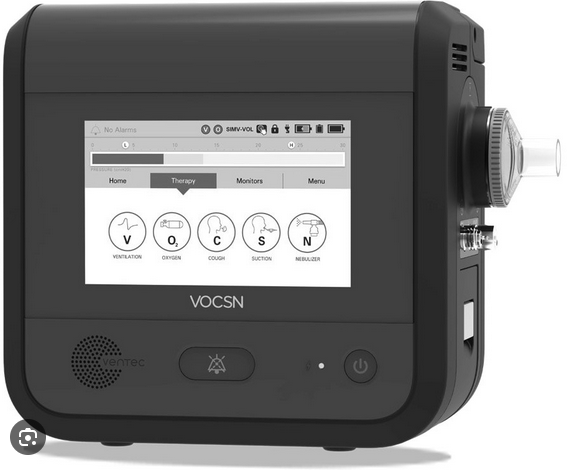
- VOCSN
- A multifunction device combining Ventilator, Oxygen concentrator, Cough assist, Suction, and Nebulizer in one unit.
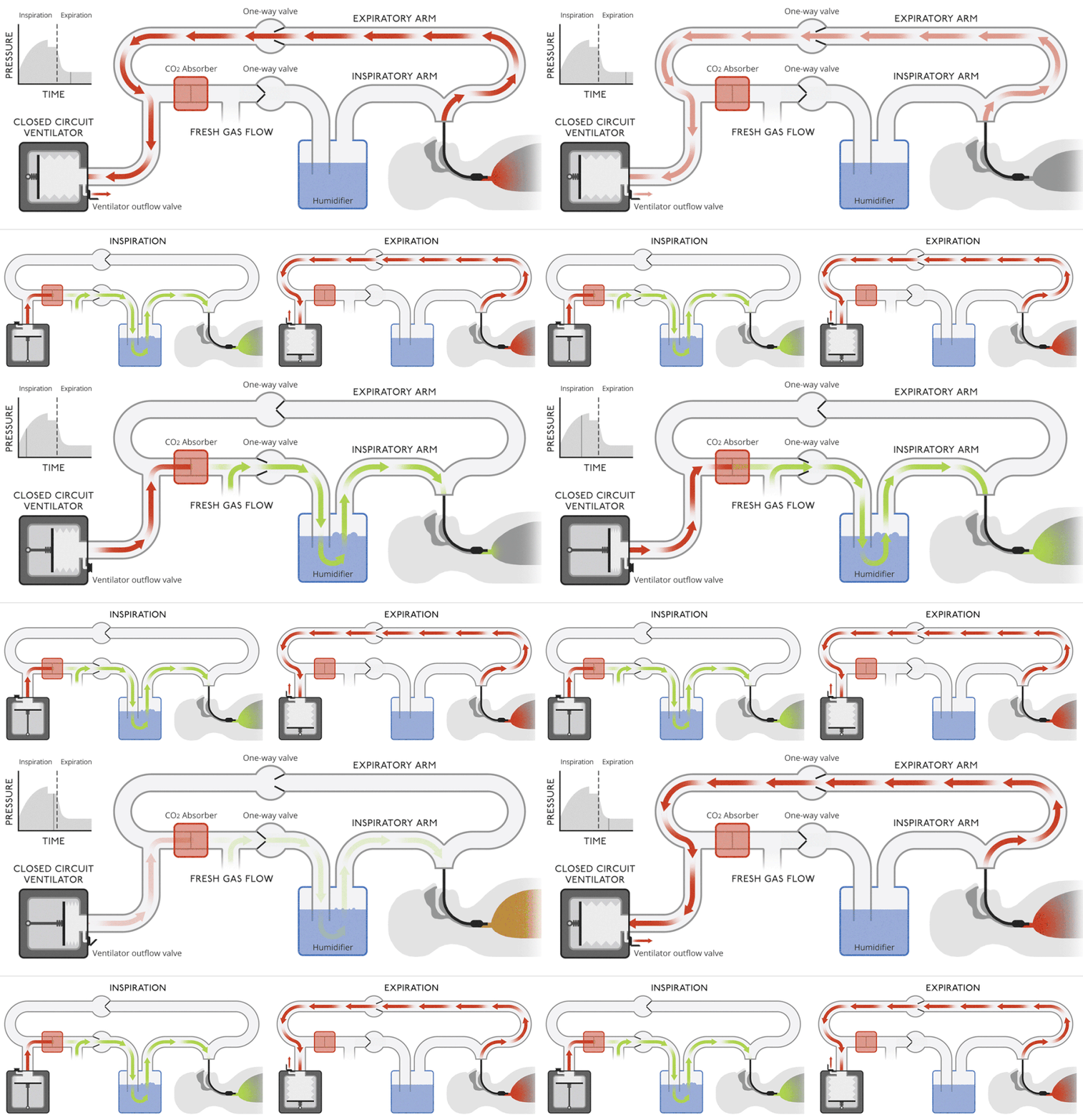
- Dual-Limb Circuit
- An ICU circuit configuration with separate inspiratory and expiratory tubing connecting at a Y-piece.
- Single-Limb Circuit
- A lightweight home ventilator circuit using one main tube with an exhalation valve for portability.
- Exhalation Valve
- A pneumatic flap on single-limb circuits that opens during exhalation to vent CO2 into the room.
- Proximal Pressure Line
- A thin clear sensor line that allows the ventilator to detect airway pressure and patient effort.
- Breath Stacking
- Progressive air trapping when expiratory time is too short, leading to Auto-PEEP and hemodynamic collapse.
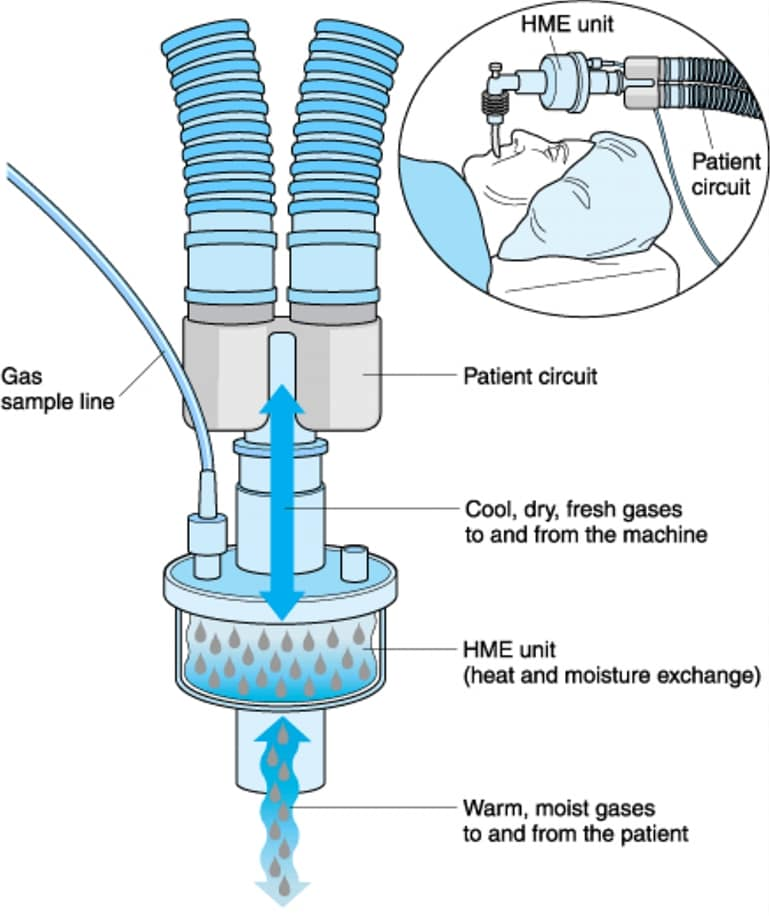
- HME (Heat and Moisture Exchanger)
- An inline device that captures heat and moisture from exhalation to humidify the next inhaled breath.
- HMEF (Heat and Moisture Exchanging Filter)
- An HME with an additional HEPA filter for combined humidification and infection control.
- Closed-System Suction Catheter (Ballard)
- An inline sterile suction catheter encased in a plastic sheath that allows suctioning without disconnecting the ventilator or losing PEEP.
- Oxygen Concentrator
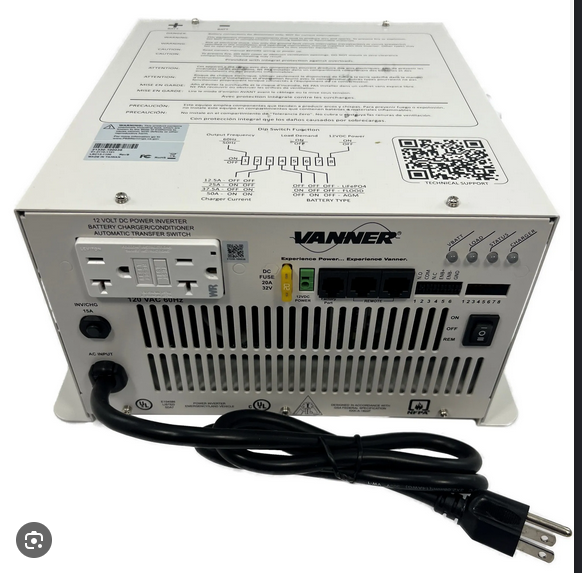
- A molecular sieve that strips nitrogen from room air to deliver up to 95% oxygen, typically running on AC power without battery backup.
- Low-Pressure Bleed-In System
- The home ventilator oxygen delivery method where oxygen at a set L/min flow is added to circuit airflow, producing a variable FiO2 dependent on minute volume.
- Auto-PEEP
- Unintentional positive pressure that builds when the patient cannot fully exhale before the next breath is delivered.
- VAP (Ventilator-Associated Pneumonia)
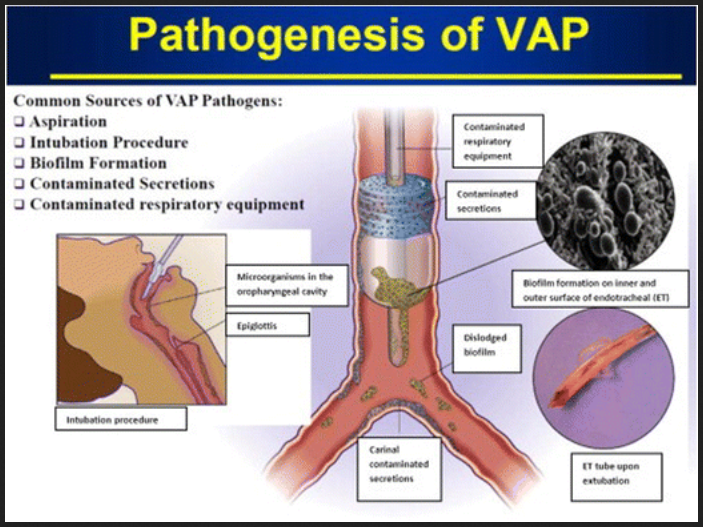
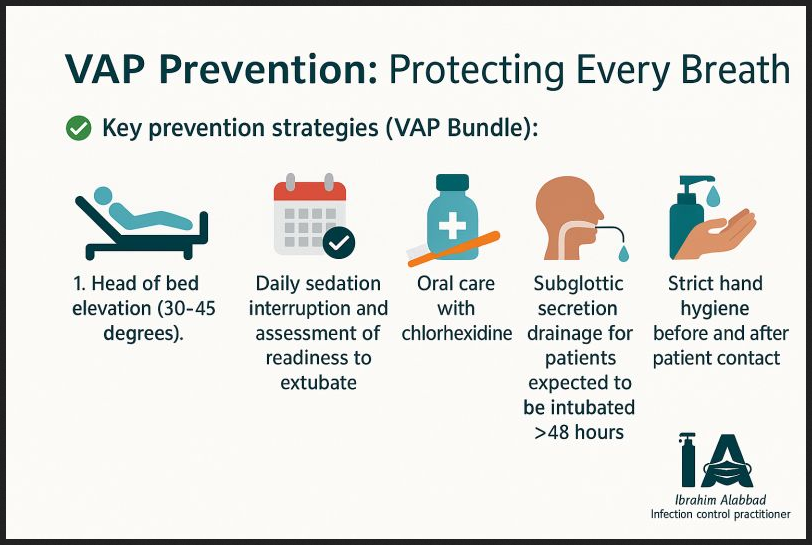
- A leading cause of mortality in chronic vent patients caused by bypassed airway defenses, biofilm formation, and micro-aspiration of pooled secretions.
- Biofilm
- A protective bacterial slime layer that colonizes the inside of tracheostomy tubes, shielding pathogens from immune response and antibiotics.
- Set Rate (f/RR)
- The mandatory minimum number of breaths the ventilator is programmed to deliver per minute.
- Total Rate
- The actual respiratory rate, including both machine-mandated and patient-triggered spontaneous breaths.
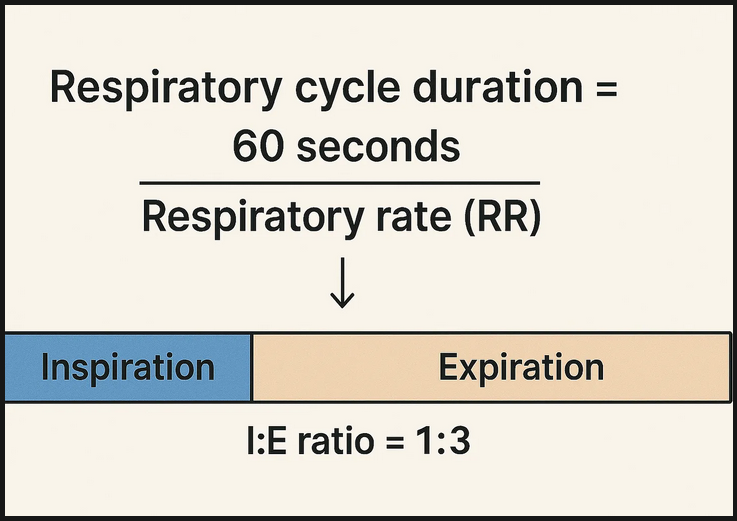
- Total Cycle Time (TCT)
- The complete duration of a single respiratory cycle, calculated as 60 ÷ respiratory rate.
- Ideal Body Weight (IBW)
- The height-based weight used to calculate lung-protective tidal volumes, since lung size does not increase with adipose tissue.
- Anatomic Dead Space
- The roughly 150 mL of airway volume (trachea, bronchi, tubing) where no gas exchange occurs.
- Atelectasis
- Complete alveolar collapse caused by airway pressure dropping to zero during exhalation.
- Functional Residual Capacity (FRC)
- The volume of air remaining in the lungs at end-expiration that PEEP helps preserve.
- Fick's Law
- The principle stating gas diffusion is directly proportional to membrane surface area and inversely proportional to membrane thickness.
- Pressure Support (PS/PSV)
- An additional inspiratory pressure boost that activates only on patient-triggered breaths to overcome tubing resistance.
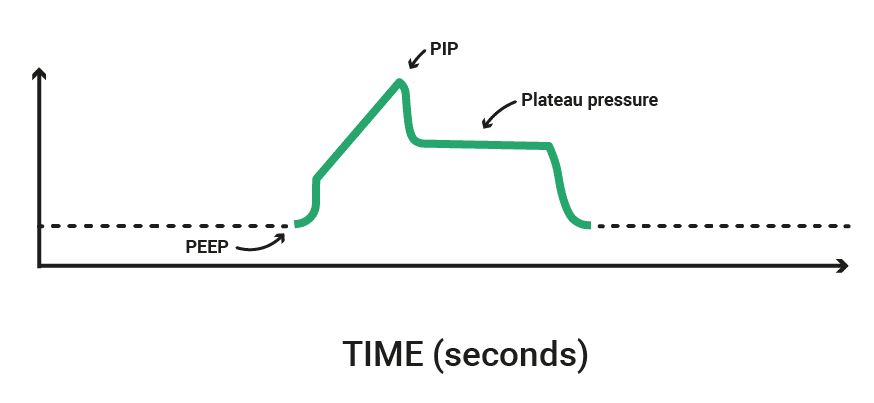
- Peak Inspiratory Pressure (PIP)
- The total absolute pressure at the height of inspiration, calculated as PEEP + Pressure Support.
- I
- E Ratio: The mathematical relationship dividing total breath time between inspiration and expiration, normally 1:2 to 1:3.
- Inverse Ratio Ventilation
- An advanced strategy where inspiratory time exceeds expiratory time to recruit stubborn alveoli in severe ARDS.
- Trigger Sensitivity
- The threshold of patient effort required for the ventilator to detect and deliver an assisted breath.
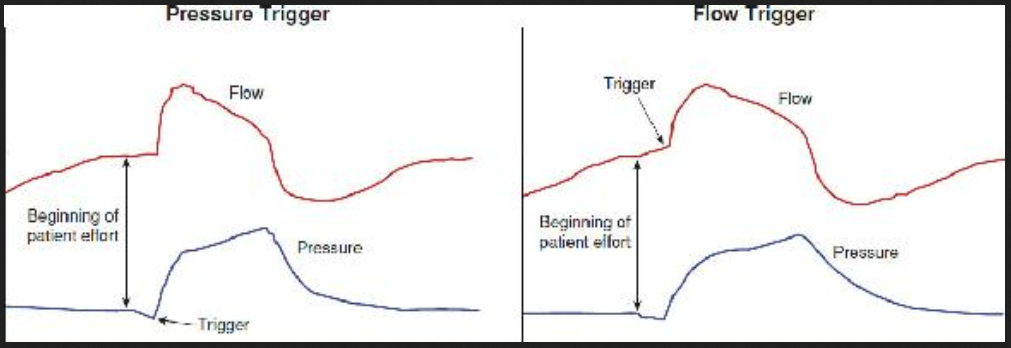
- Pressure Trigger
- Detection method that senses negative pressure created by diaphragmatic contraction.
- Flow Trigger
- The modern faster trigger method that detects changes in continuous baseline flow through the circuit.
- Auto-Triggering
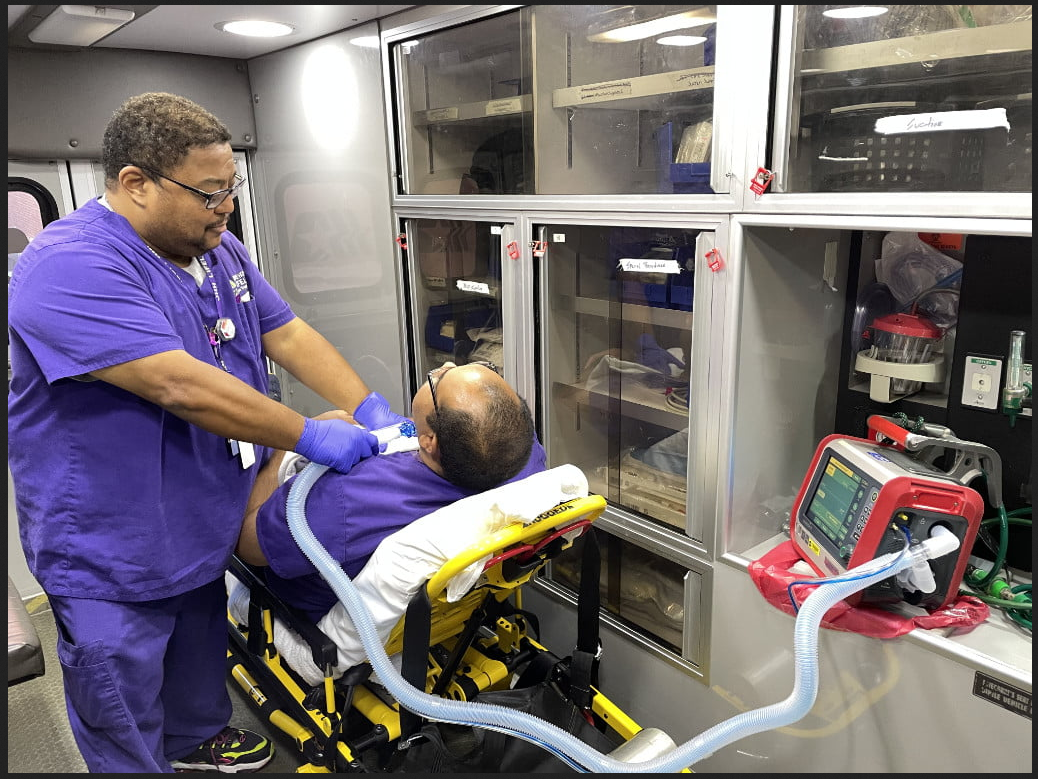
- Inappropriate machine-delivered breaths caused by oversensitive trigger settings or vibration artifacts (e.g., from a moving stretcher).
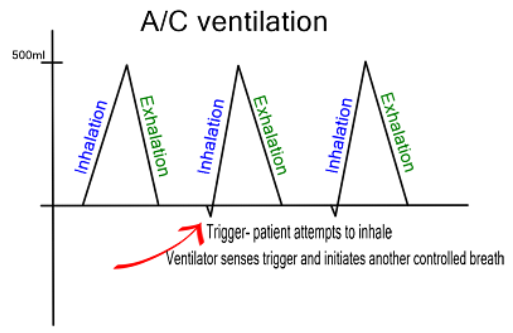
- Assist Control (A/C)
- A common mode delivering a set tidal volume for every breath whether machine- or patient-initiated, carrying significant risk of breath stacking in tachypneic patients.
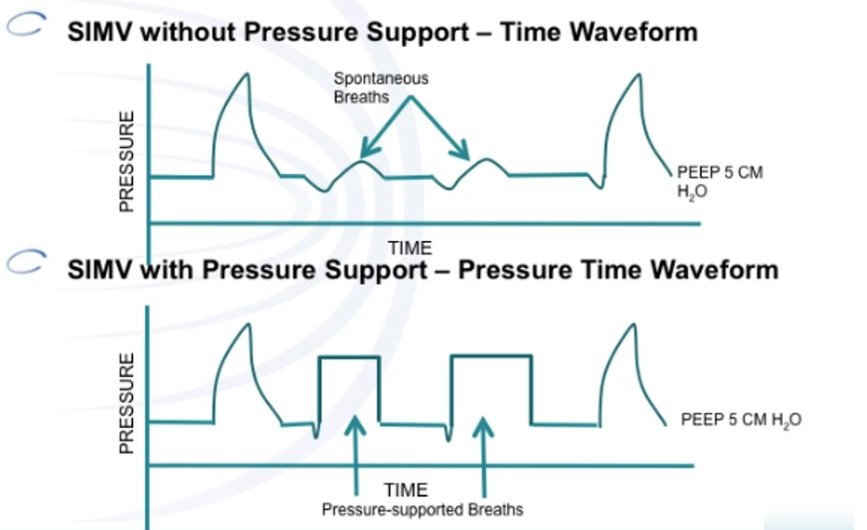
- SIMV (Synchronized Intermittent Mandatory Ventilation)
- A mode providing mandatory full-volume breaths at a set rate while allowing the patient to take spontaneous unsupported breaths in between.
- PSV (Pressure Support Ventilation)
- A spontaneous mode with no set rate or volume; the patient triggers every breath and the machine provides a pressure boost.
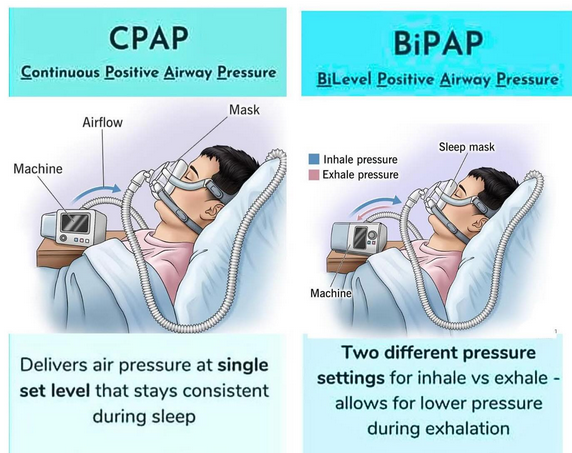
- CPAP (Continuous Positive Airway Pressure)
- A non-invasive mode delivering a single constant pressure to stent airways open.
- BiPAP (Bilevel Positive Airway Pressure)
- A non-invasive mode alternating between two distinct pressures (IPAP and EPAP) timed to inspiration and expiration.
- IPAP (Inspiratory Positive Airway Pressure)
- The higher pressure delivered during inhalation in BiPAP to assist ventilation.
- EPAP (Expiratory Positive Airway Pressure)
- The lower baseline pressure during exhalation in BiPAP, functionally equivalent to PEEP.
- Pressure Differential
- The difference between IPAP and EPAP, representing the effective pressure support delivered with each breath.
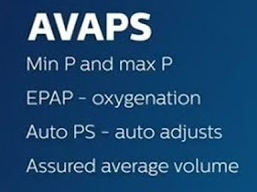
- AVAPS (Average Volume-Assured Pressure Support)
- A hybrid mode that automatically adjusts IPAP between min and max limits to guarantee a target tidal volume.
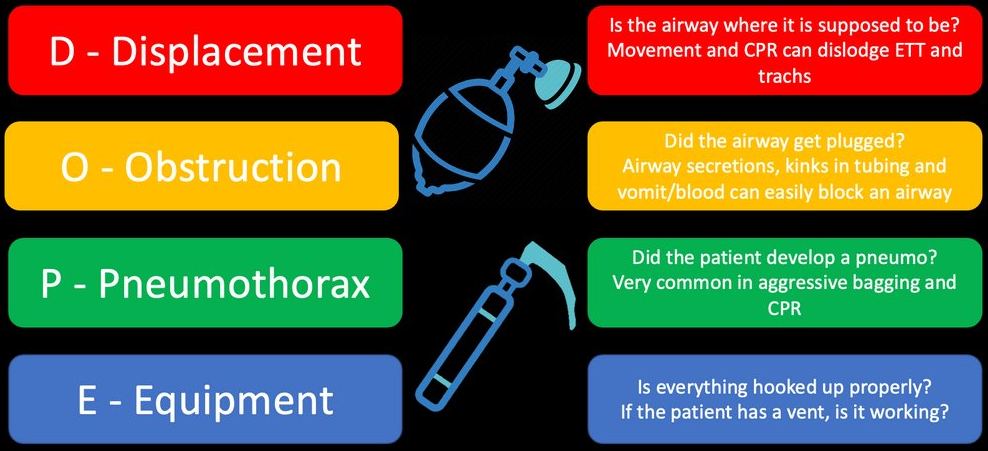
- DOPE Mnemonic
- A diagnostic algorithm for acute deterioration on a ventilator: Displacement, Obstruction, Pneumothorax, Equipment failure.
- Apnea Backup
- A safety feature that automatically reverts spontaneous modes (like PSV) to a mandatory mode if no patient breath is detected.
- End-Tidal CO2 (EtCO2)
- A monitored value used to guide manual ventilation rate, with a target of 35-45 mmHg.
- Compliance
- A measure of lung distensibility; decreased compliance (stiff lungs) causes pressure to spike in volume modes and volume to drop in pressure modes.
- Bag-Valve Mask (BVM)
- The manual ventilation device used as the immediate fallback whenever a home ventilator fails or troubleshooting exceeds capability.