- Hemodynamics
- The study of how blood moves through the cardiovascular system and how pressure, flow, and resistance relate to one another
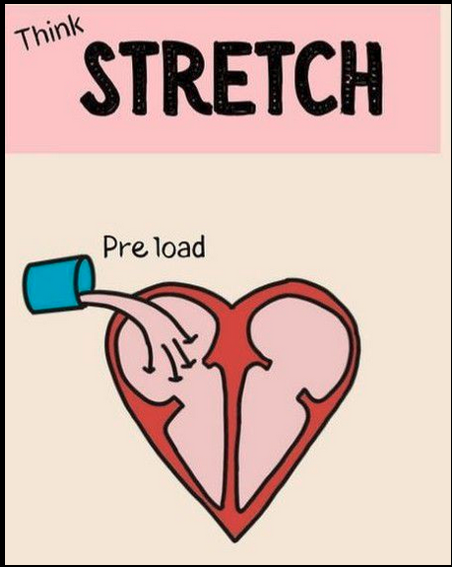
- Preload
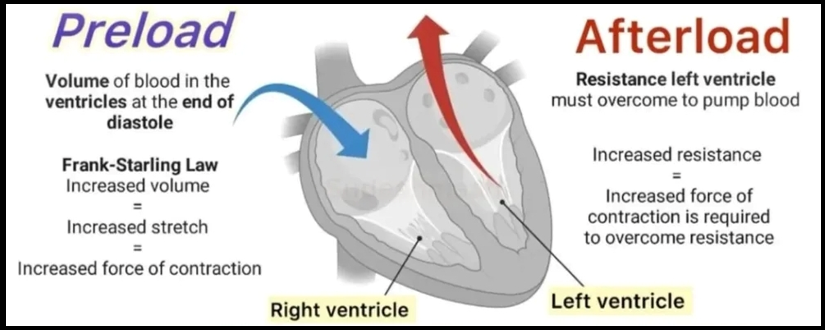
- The stretch of the ventricular muscle at the end of diastole, right before contraction, strongly influenced by venous return and circulating volume
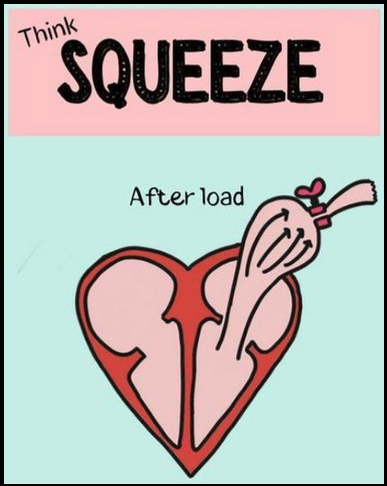
- Afterload
- The resistance the heart must push against to eject blood into the body, mainly determined by arterial blood pressure and arteriolar tone
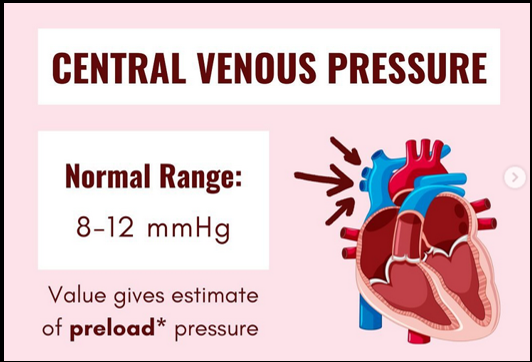
- Central Venous Pressure (CVP)
- The pressure inside the thoracic vena cava near the right atrium, reflecting right-sided filling pressure and trends in venous return
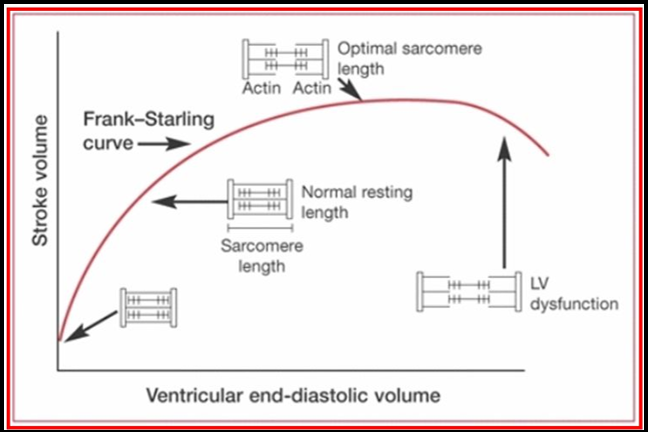
- Frank-Starling Curve
- The relationship showing how the heart adjusts stroke volume based on the amount of blood returning to it, with stronger contractions from greater filling up to a limit
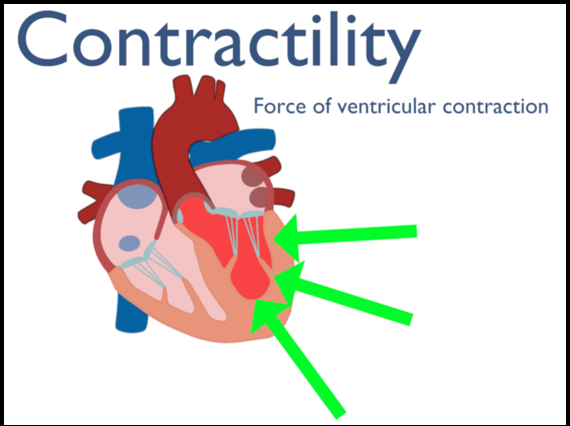
- Contractility
- The intrinsic strength of the heart's contraction independent of preload or heart rate, influenced by calcium handling in cardiac cells
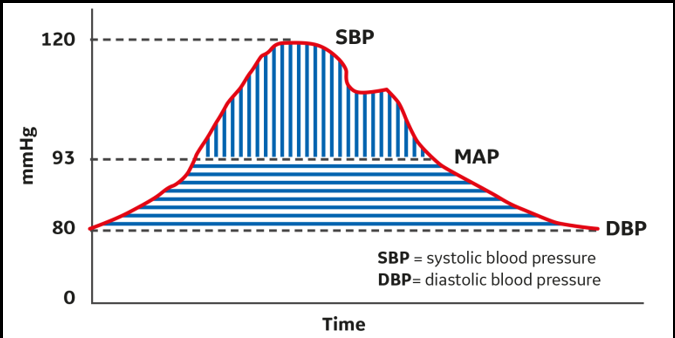
- Mean Arterial Pressure (MAP)
- The average pressure in the arteries over a full cardiac cycle, estimated as (SBP + 2 × DBP) ÷ 3, and determined by cardiac output and systemic vascular resistance
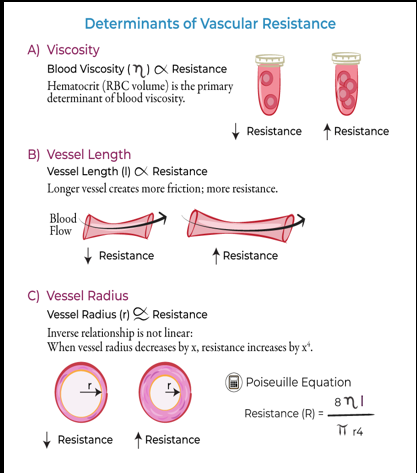
- Systemic Vascular Resistance (SVR)
- The overall tightness or tone of the body's arterioles, which determines afterload and influences MAP
- Cardiac Output (CO)
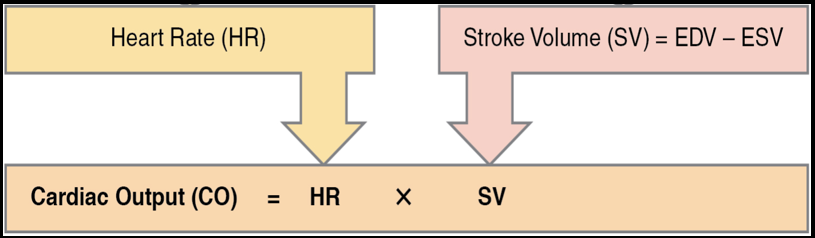
- The volume of blood the heart pumps per minute, calculated as heart rate multiplied by stroke volume
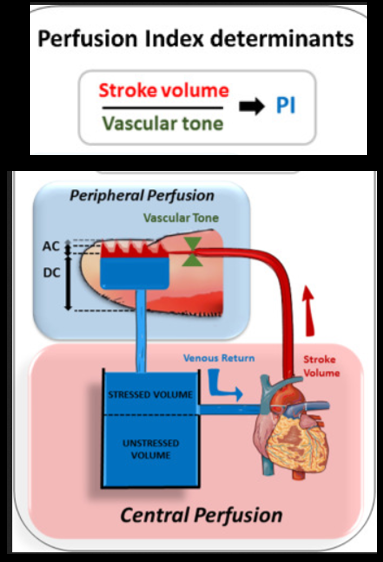
- Stroke Volume
- The amount of blood ejected by the ventricle with each contraction, influenced by preload, afterload, and contractility
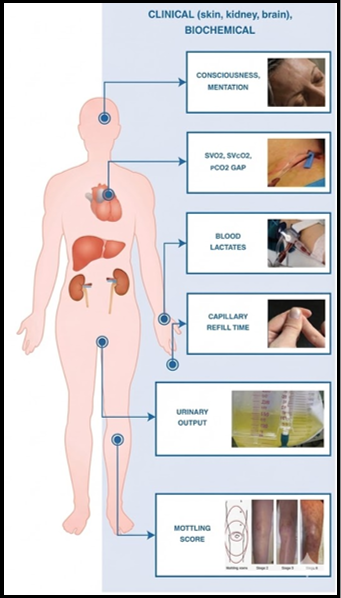
- Perfusion
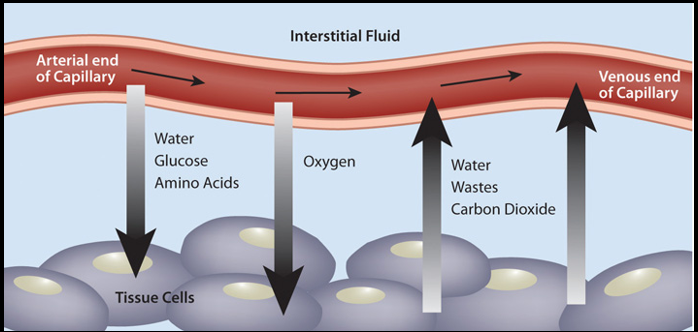
- The delivery of oxygenated blood to the tissues, dependent on both adequate flow and adequate pressure
- Perfusion Index (PI)
- A value derived from the pulse oximeter waveform indicating the strength of pulsatile flow at the probe site relative to background signal
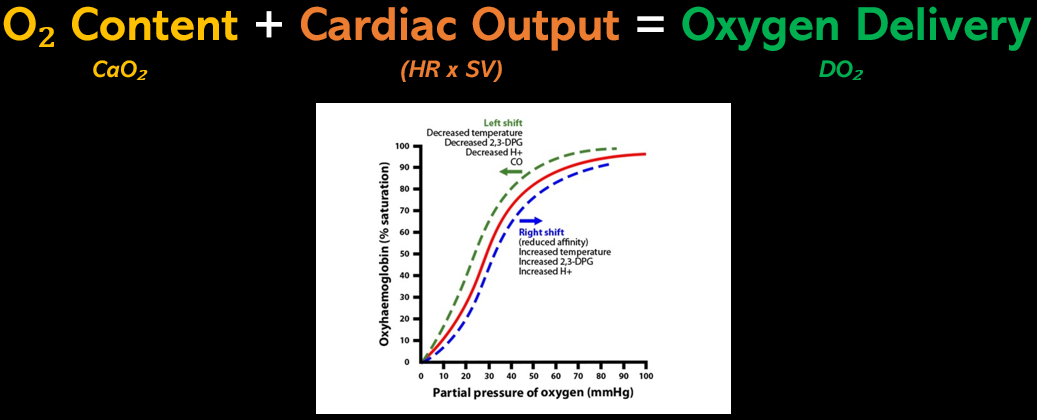
- Oxygen Content
- The total amount of oxygen carried in the blood, primarily bound to hemoglobin with a small fraction dissolved in plasma
- Oxygen Delivery
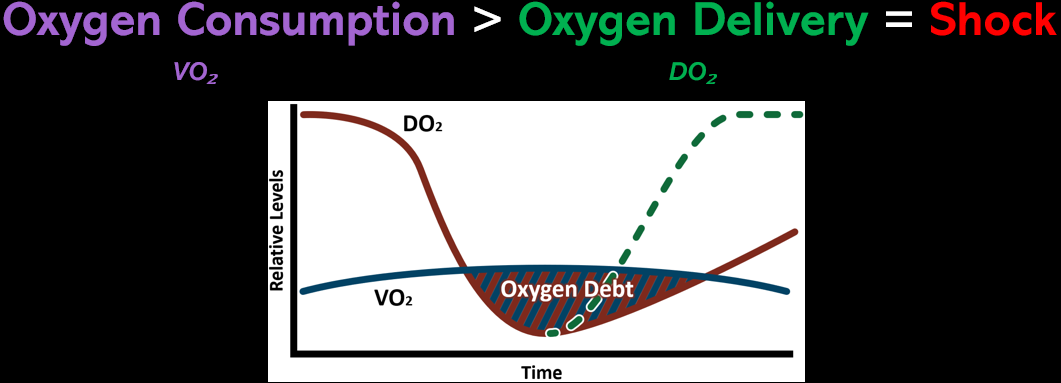
- The total amount of oxygen offered to the tissues per minute, determined by cardiac output multiplied by oxygen content
- Shock
- A state in which oxygen delivery cannot meet the metabolic demands of the tissues, leading to cellular hypoxia and organ dysfunction
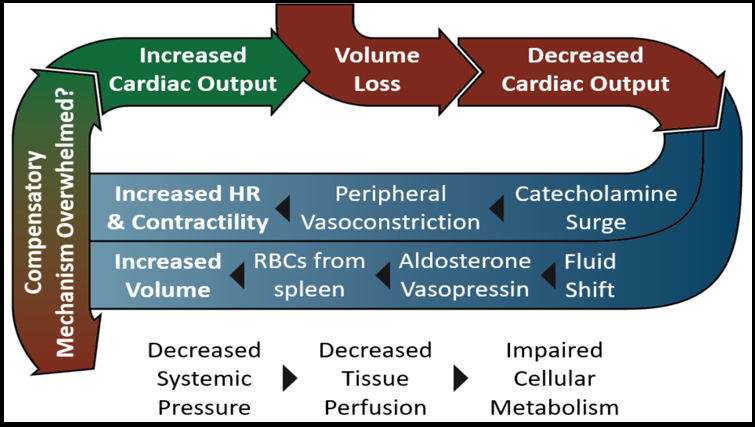
- Hypovolemic Shock
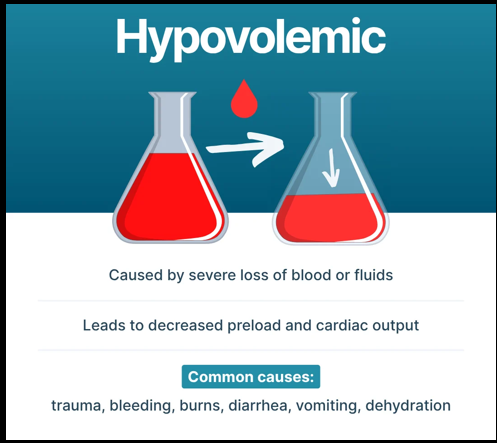
- Shock caused by insufficient circulating volume (empty tank), resulting in decreased preload, stroke volume, and cardiac output with compensatory vasoconstriction and tachycardia
- Cardiogenic Shock
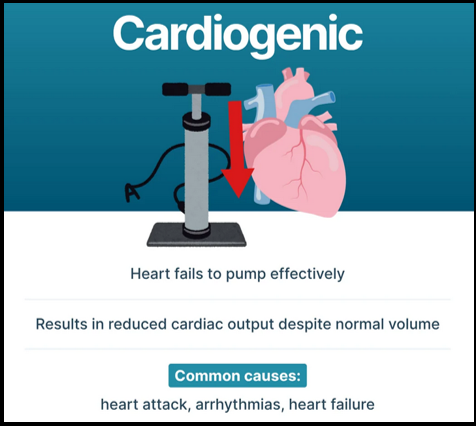
- Shock caused by pump failure where poor contractility leads to low stroke volume and cardiac output with fluid backing up into the lungs
- Distributive Shock
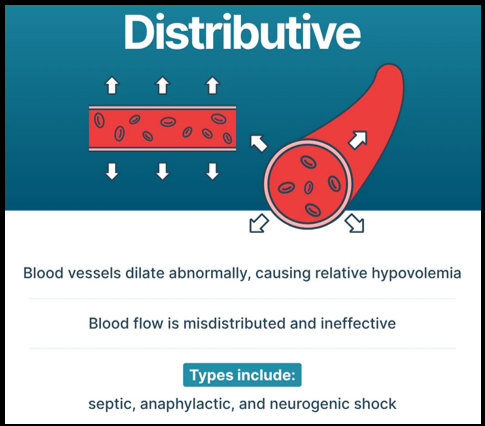
- Shock caused by widespread vasodilation (pipes too wide) dropping SVR and MAP despite initially adequate cardiac output, seen in sepsis, anaphylaxis, and neurogenic shock
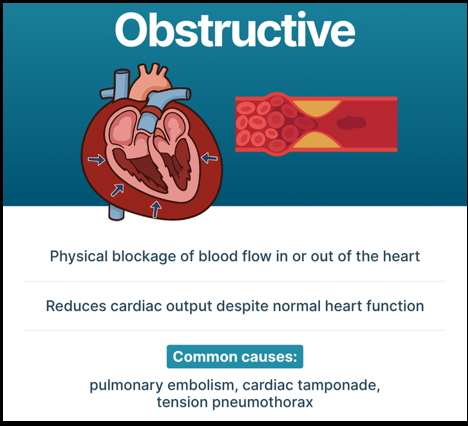
- Obstructive Shock
- Shock caused by a physical blockage to blood flow such as tension pneumothorax, cardiac tamponade, or massive pulmonary embolism, collapsing effective cardiac output
- Compensatory Mechanisms
- The body's automatic responses to falling pressure including sympathetic activation, tachycardia, vasoconstriction, and hormonal salt and water retention
- Lactate
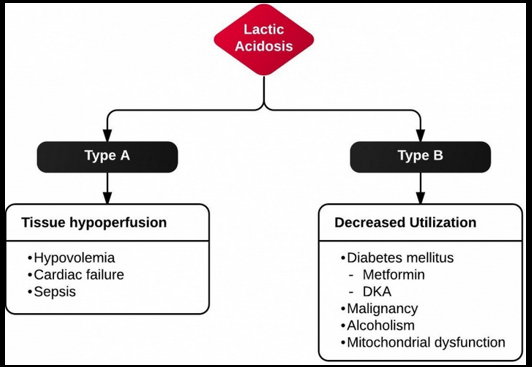
- A metabolic byproduct that rises when tissues switch to anaerobic metabolism due to inadequate oxygen delivery, used as a marker of perfusion failure