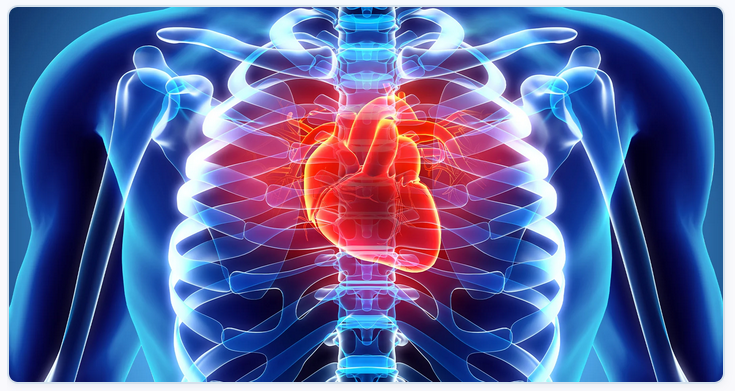
Heart failure occurs when the heart cannot pump enough blood to meet the body's metabolic needs. Despite the name, heart failure doesn't mean the heart has stopped—rather, its pumping ability is impaired. This condition affects millions worldwide and is one of the most common reasons for hospitalization in patients over 65.
Understanding the Mechanisms
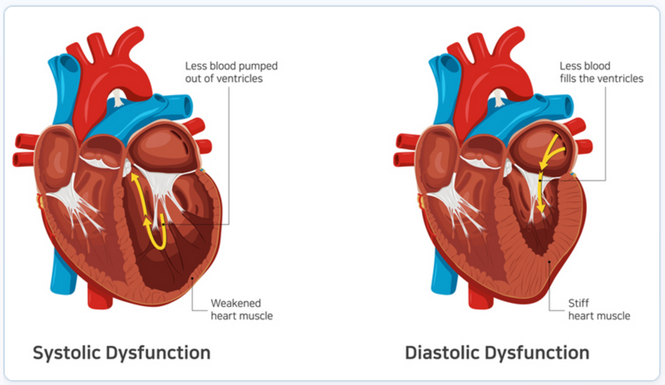
Systolic heart failure (HFrEF) - Heart failure with reduced ejection fraction. The heart muscle becomes weakened and cannot squeeze effectively. EF falls below 40% (normal 55-70%). Often results from MI, infections, toxins, or genetic conditions.
Compensatory mechanisms initially help but eventually worsen the problem: sympathetic activation increases HR/contractility but damages muscle; RAAS activation retains salt/water causing congestion; heart dilates and hypertrophies but leads to further deterioration.
Diastolic heart failure (HFpEF) - Heart failure with preserved ejection fraction. The heart muscle becomes stiff and cannot relax properly to fill with blood. EF remains normal/near-normal, but the heart cannot accommodate adequate volume without high pressures. More common in elderly, women, and those with long-standing hypertension.
Classifications
By ejection fraction:
HFrEF (EF ≤40%) - Responds to ACE inhibitors, beta-blockers, aldosterone antagonists
HFpEF (EF ≥50%) - Fewer proven treatments; focus on symptom control
HFmrEF (EF 41-49%) - Mid-range, possibly transitional state
By location:
Left-sided HF - Pulmonary congestion, dyspnea, orthopnea, PND
Right-sided HF - Systemic congestion, peripheral edema, ascites, hepatomegaly (often secondary to left-sided failure)
By time course:
Acute HF - Rapid onset, requires immediate intervention
Chronic HF - Gradual development with periods of stability and decompensation
Signs and Symptoms
Symptoms from reduced cardiac output:
Fatigue and weakness, especially with exertion
Exercise intolerance, progressive decline in activity capacity
Cool extremities from peripheral vasoconstriction
Dizziness, mental status changes in severe cases
Symptoms from pulmonary congestion (left-sided):
Dyspnea - Shortness of breath with exertion, progressing to rest
Orthopnea - Difficulty breathing when lying flat; requires sleeping with multiple pillows
Paroxysmal nocturnal dyspnea (PND) - Sudden awakening with severe SOB 2-4 hours after falling asleep
Cough, may be dry or productive; worsens when lying down; pink frothy sputum in severe pulmonary edema
Symptoms from systemic congestion (right-sided):
Peripheral edema starting in ankles/feet, progressing up legs
Sacral edema in bedridden patients
Rapid weight gain (several pounds over few days)
Decreased urination from fluid retention
Abdominal discomfort, nausea, loss of appetite
Ascites in severe cases
Acute Decompensated Heart Failure
Refers to rapid onset or worsening of HF symptoms requiring urgent attention. Common triggers include:
Dietary indiscretion (excessive salt intake)
Medication non-compliance (especially diuretics)
Infections increasing metabolic demands
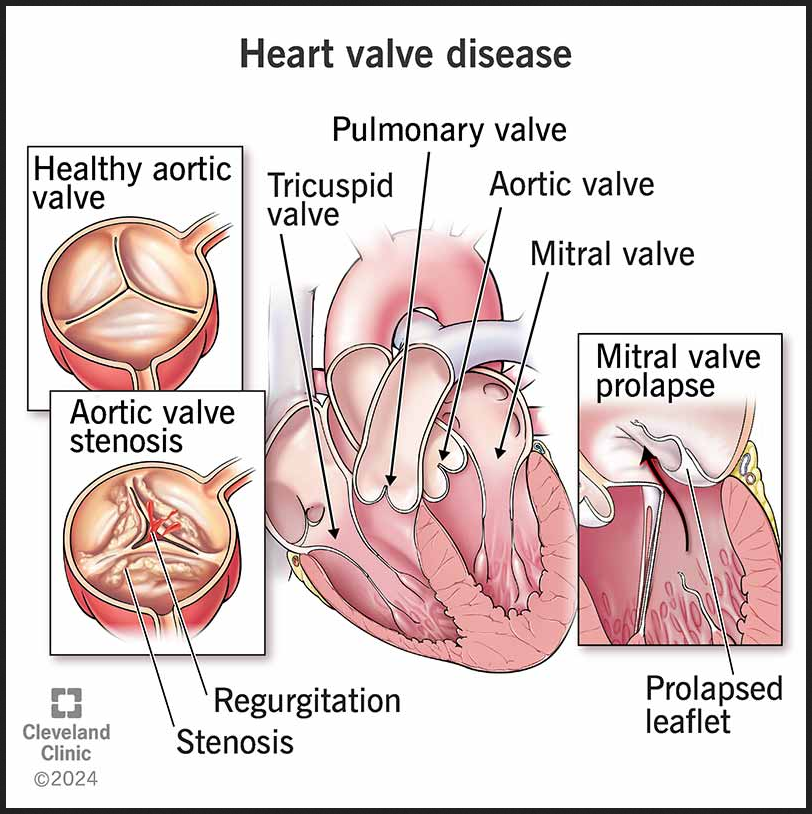
New cardiac events (MI, arrhythmias, valve disease)
Uncontrolled hypertension
Certain medications that depress heart function
Clinical presentation involves rapidly worsening dyspnea progressing to frank pulmonary edema. Patients appear anxious, sitting upright, unable to lie down. Physical exam reveals crackles on lung auscultation and possibly S3 gallop.
Key Points
- HFrEF (systolic): weak contraction, EF less than 40%
- HFpEF (diastolic): stiff ventricle, EF normal, poor filling
- Left-sided: pulmonary symptoms (dyspnea, orthopnea, PND)
- Right-sided: systemic symptoms (edema, ascites, hepatomegaly)
- Treatment varies by type; HFrEF has more proven therapies