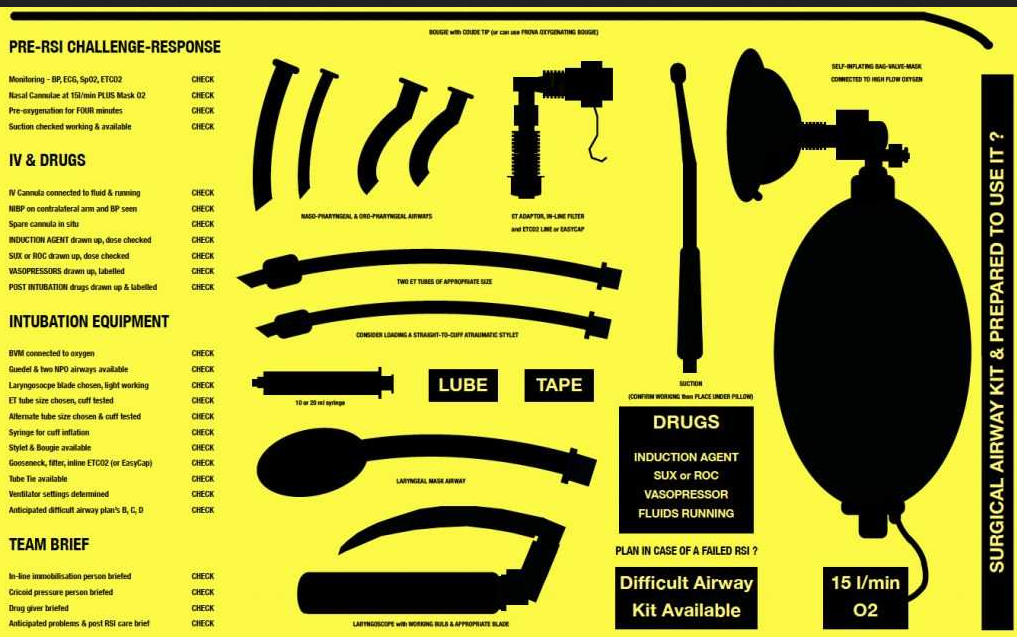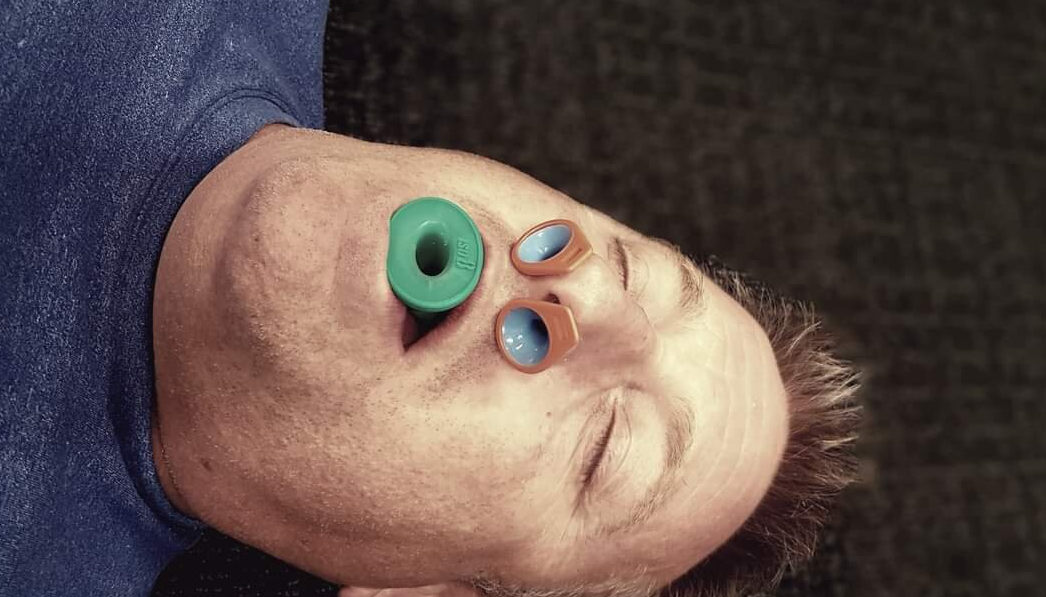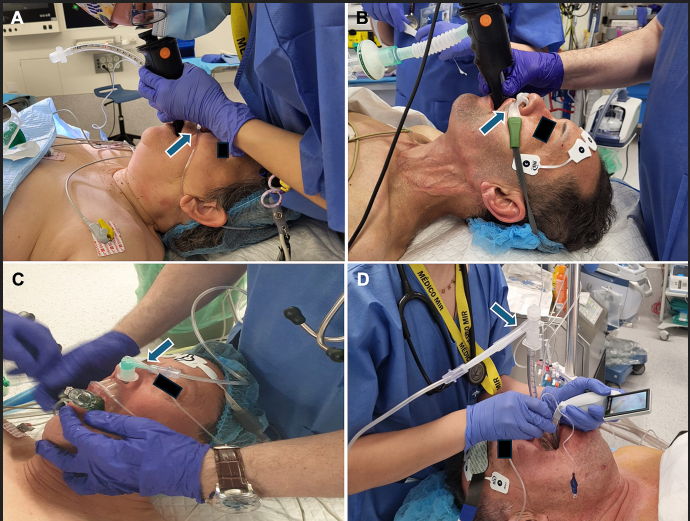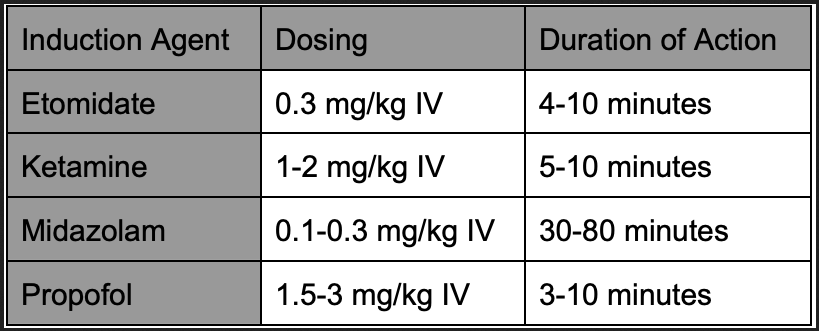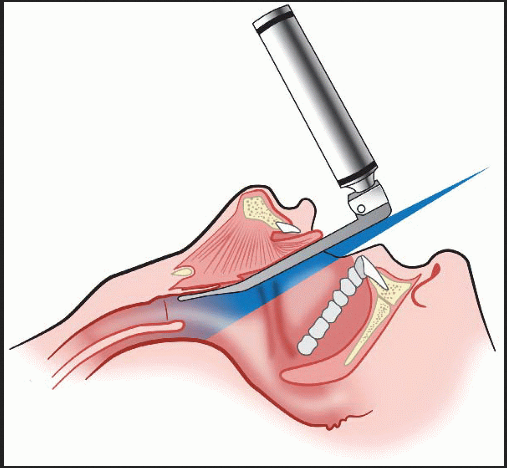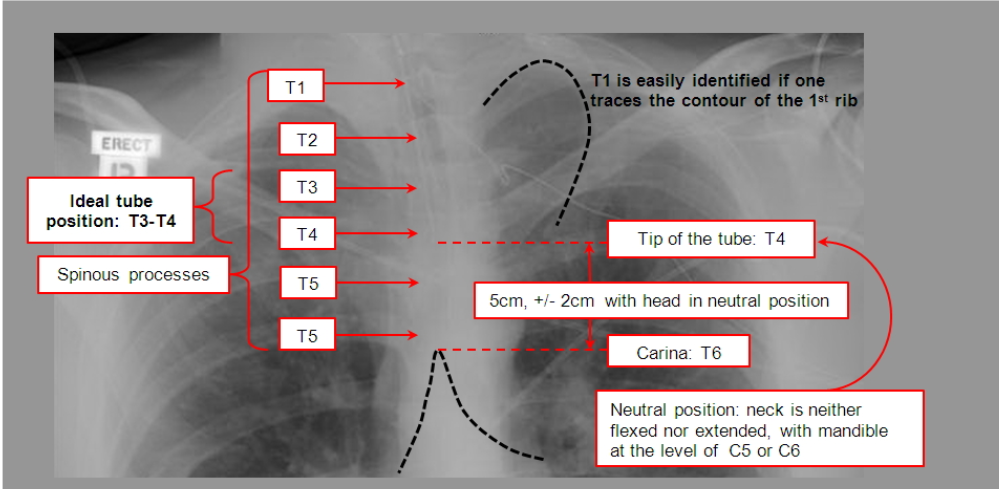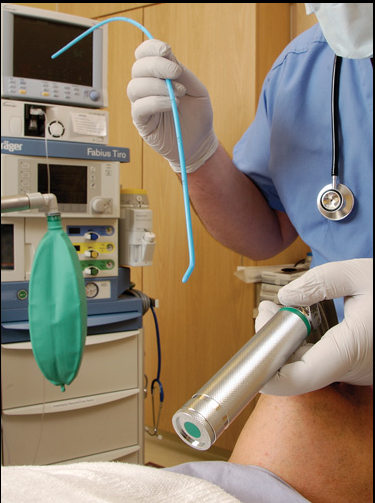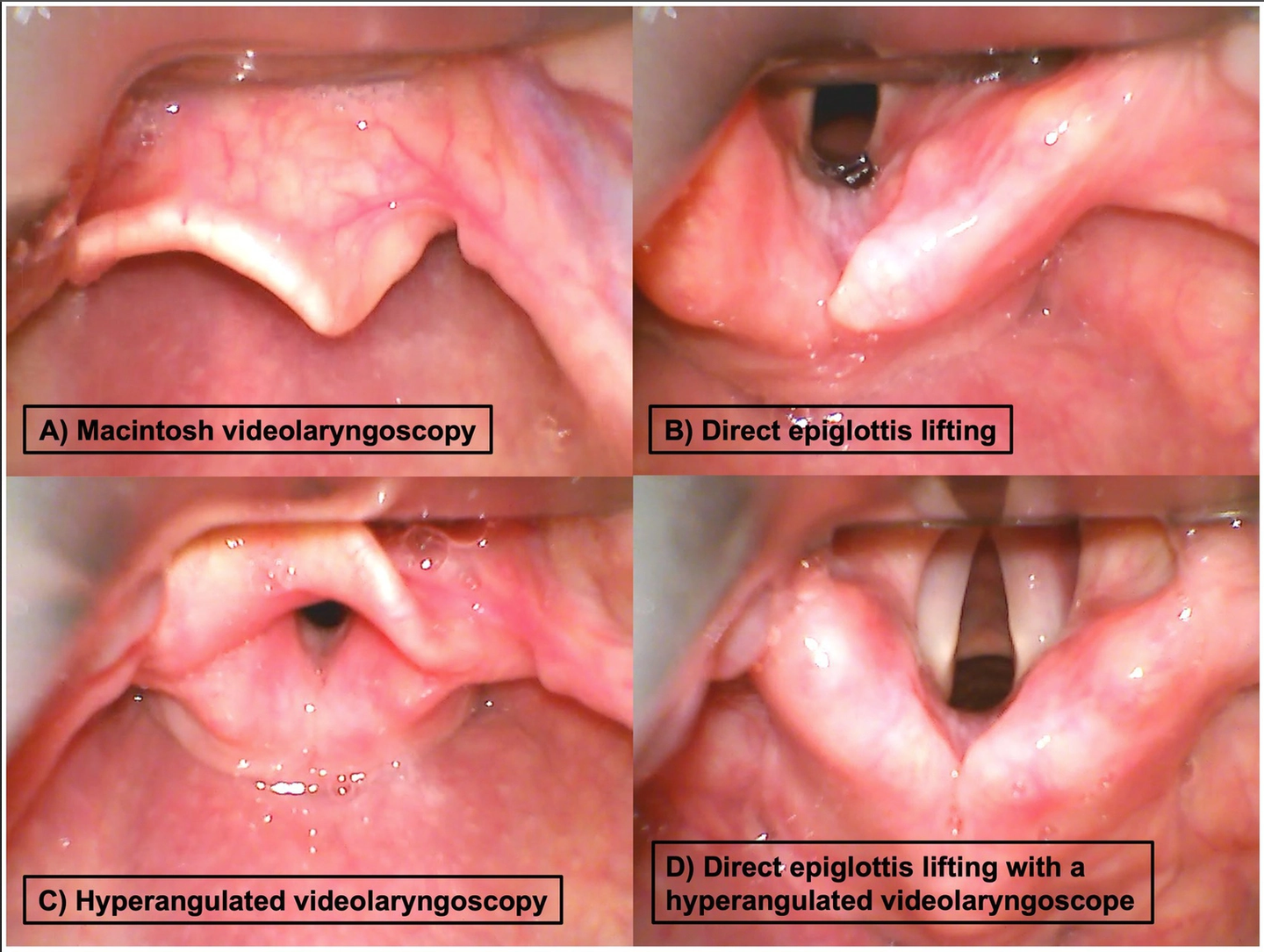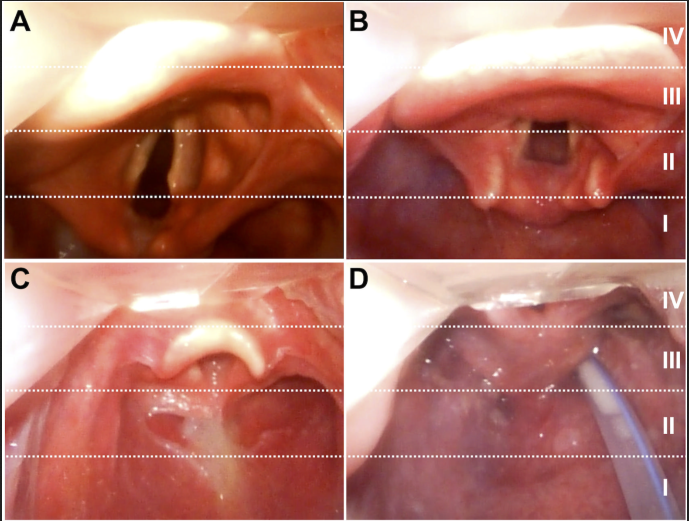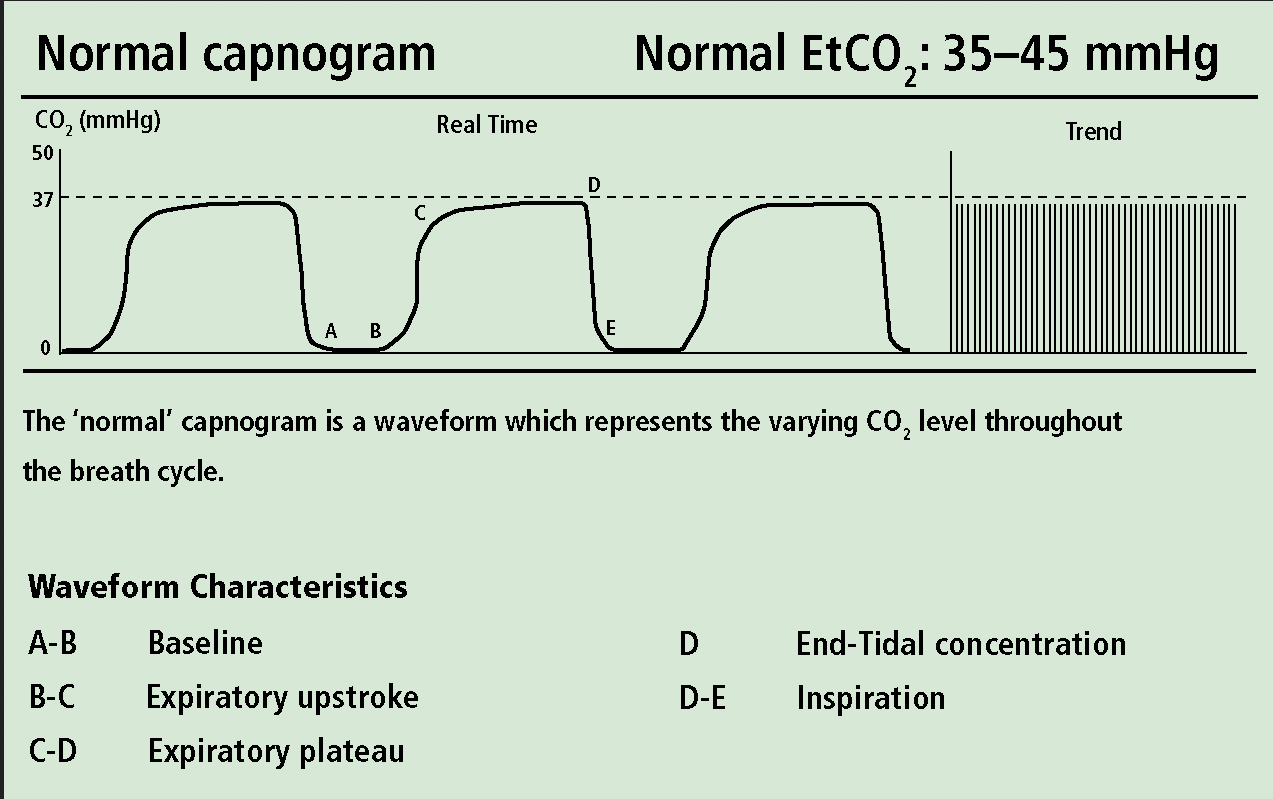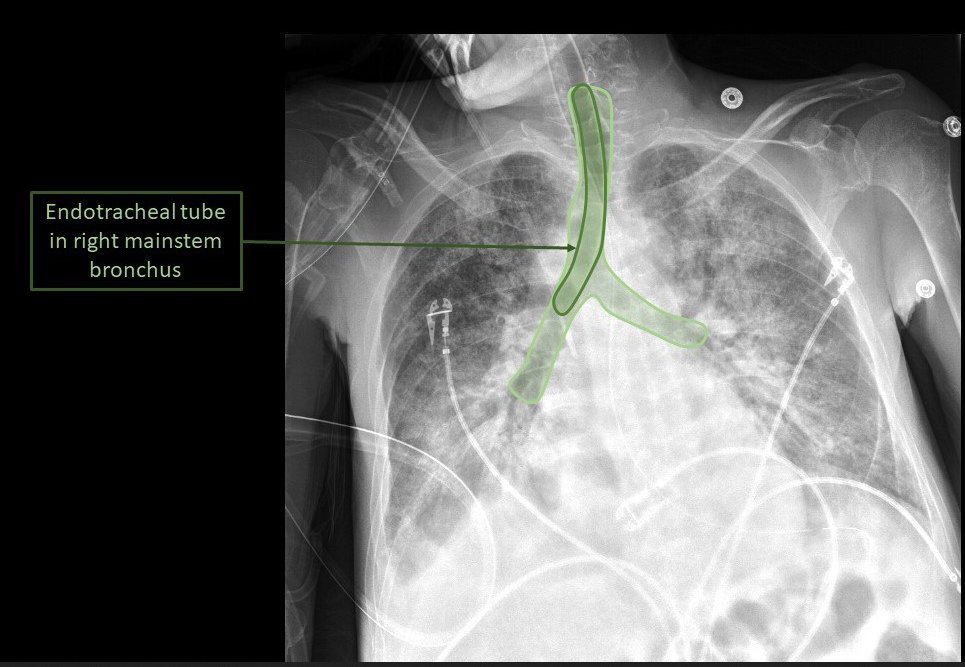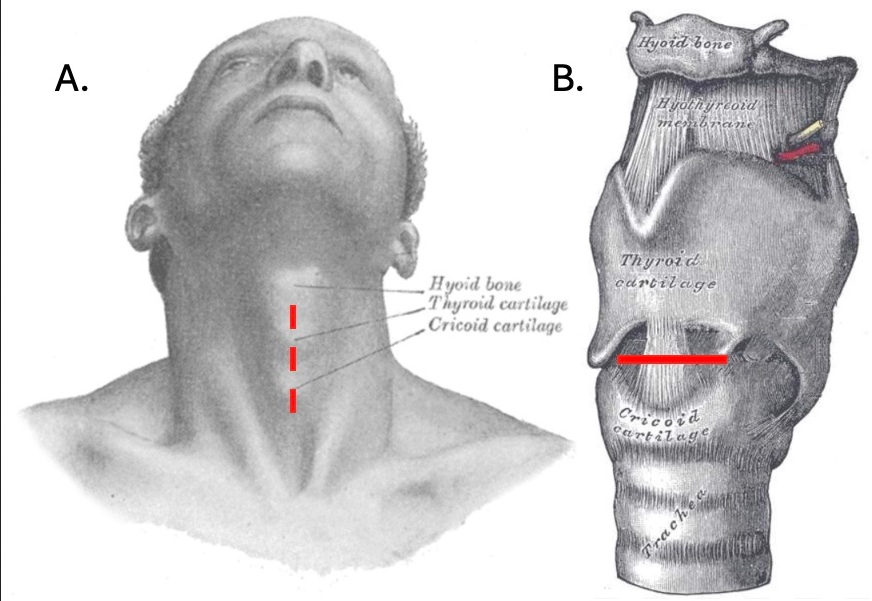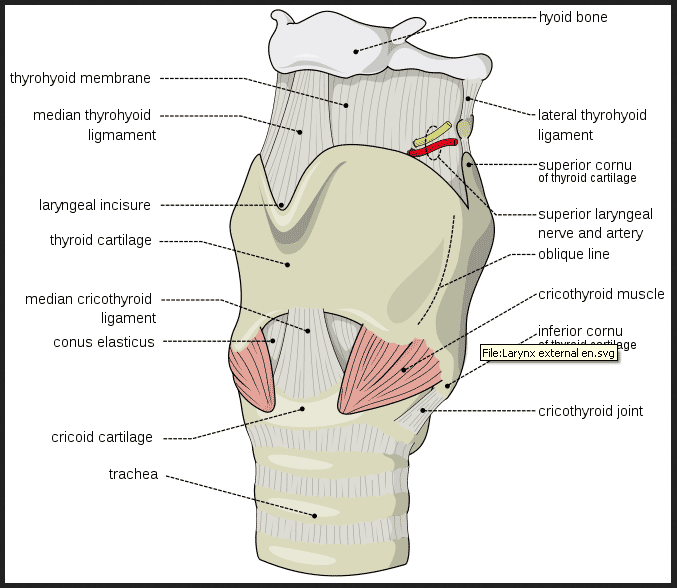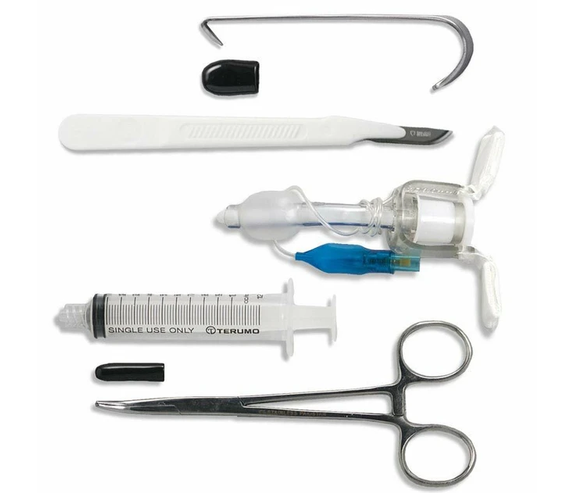
Advanced airway management is not a single procedure. It is a continuum that begins with positioning and basic airway maneuvers and can progress through suction, airway adjuncts, bag-mask ventilation, noninvasive support, supraglottic airway placement, endotracheal intubation, and emergency surgical access. The correct intervention is the least invasive technique that can reliably maintain airway patency, oxygenation, ventilation, and airway protection for the patient's expected clinical course. The decision to establish a definitive airway can usually be organized around four questions:
- Can the patient protect their airway?
- Can the patient oxygenate?
- Can the patient ventilate?
- Is the patient's anticipated course likely to make later airway management unsafe or impossible?
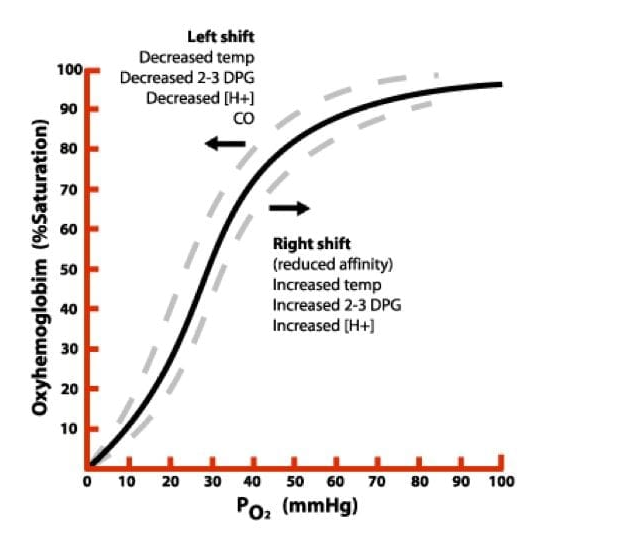
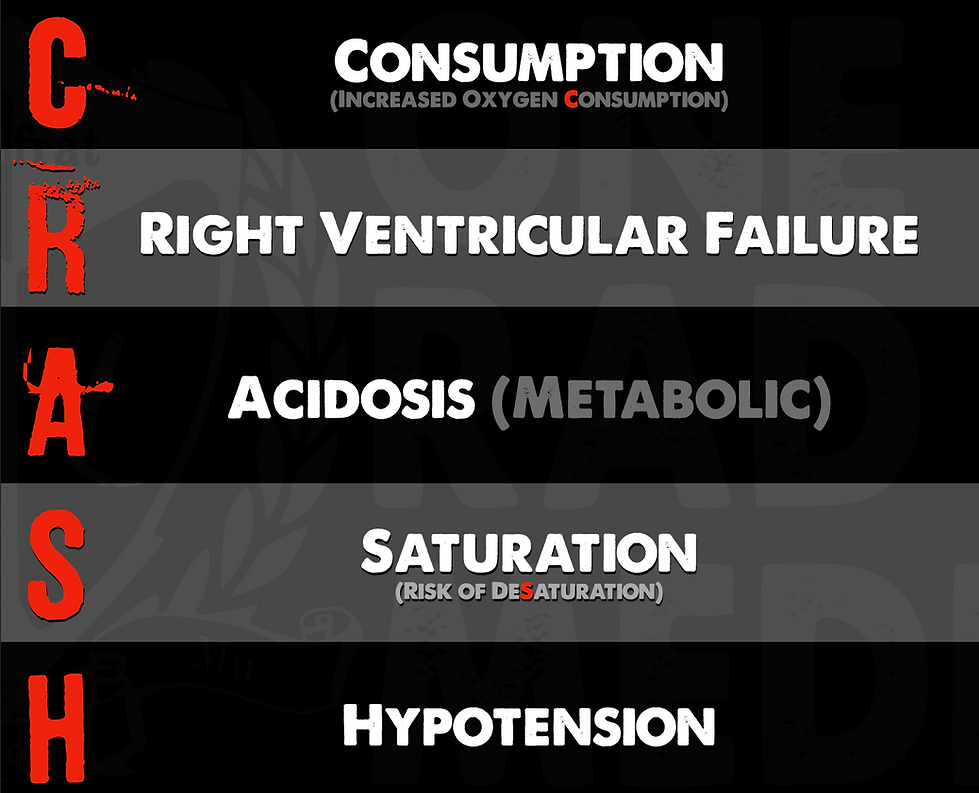
The fourth question is often the most difficult. Airway protection depends on more than the Glasgow Coma Scale. A patient who cannot manage blood, vomit, secretions, or upper airway anatomy may need definitive airway management even with a relatively preserved neurologic examination. Conversely, a patient with a low GCS may still maintain airway reflexes and adequate ventilation. The number alone should not determine the airway plan. Refractory hypoxemia despite optimized supplemental oxygen, positioning, noninvasive support, and treatment of the underlying disease may require invasive ventilation. The decision should account for why oxygenation is failing. A patient with severe shunt physiology can remain profoundly hypoxemic despite high FiO2 and may have little reserve for an intubation attempt.
Ventilatory failure occurs when effective alveolar ventilation cannot meet carbon dioxide production. Progressive hypercapnia, respiratory acidosis, exhaustion, decreasing tidal volume, and worsening mental status can indicate failure. The absolute PaCO2 is less important than the patient's baseline, pH, trajectory, and ability to sustain work.
Anticipating Deterioration
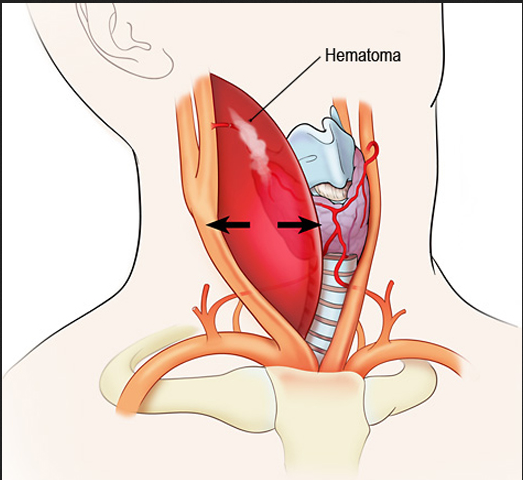
Some patients require intubation before obvious respiratory failure develops. Examples include progressive airway edema, expanding neck hematoma, severe inhalation injury, anticipated prolonged transport with worsening neurologic status, or a disease process in which airway access is becoming progressively more difficult. Waiting for complete airway failure can turn a controlled airway into a cannot-intubate, cannot-oxygenate emergency. Anticipated deterioration can also be used too aggressively. A patient with acute pulmonary edema who improves rapidly with CPAP and vasodilation does not require intubation simply because they initially appeared critically ill. A patient with hypercapnic COPD who awakens and improves on bilevel ventilation may be safer without an invasive airway. The airway plan should respond to trajectory rather than fear of what might happen.
Severe dyspnea, loud wheezing, an abnormal blood gas, or dramatic accessory muscle use can create pressure to intubate. If the patient remains cooperative, protects the airway, and responds rapidly to noninvasive treatment, continuing that treatment may avoid the risks of induction, paralysis, positive-pressure ventilation, sedation, and ventilator-associated complications. Other patients compensate until very late. A patient with neuromuscular disease may remain normally saturated while vital capacity declines. A patient with severe metabolic acidosis may maintain acceptable pH through extraordinary minute ventilation until fatigue develops. A patient with progressive angioedema may be speaking normally while the floor of the mouth and tongue continue to enlarge. These patients may need intervention before obvious collapse.
- Consider whether patency, protection, oxygenation, or ventilation requires definitive support.
- Trends and treatment response are more informative than an isolated finding.
- Progressive swelling or fatigue may justify intervention before complete failure.
- The indication for intubation also identifies the physiology that needs support.