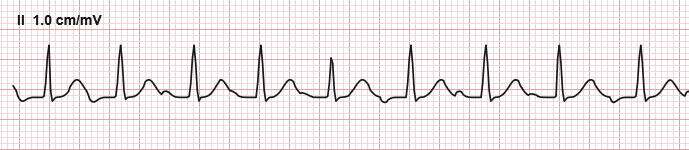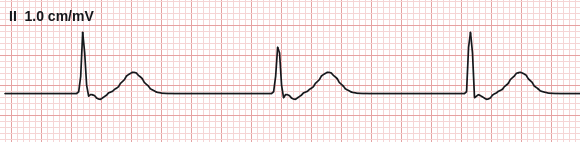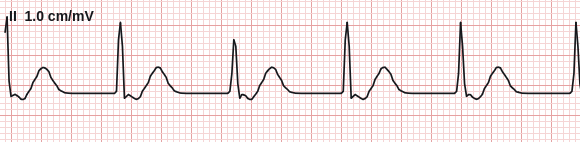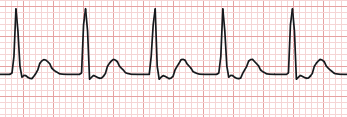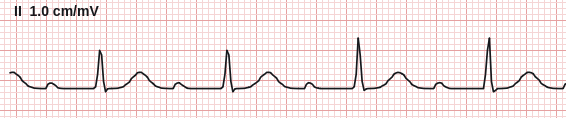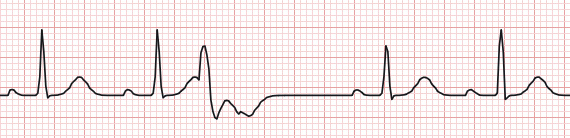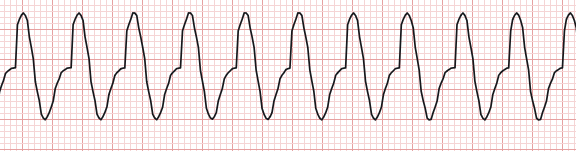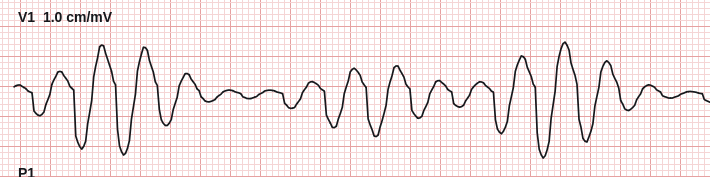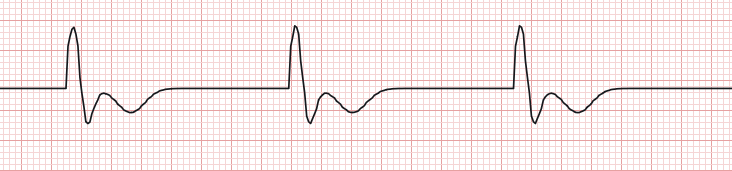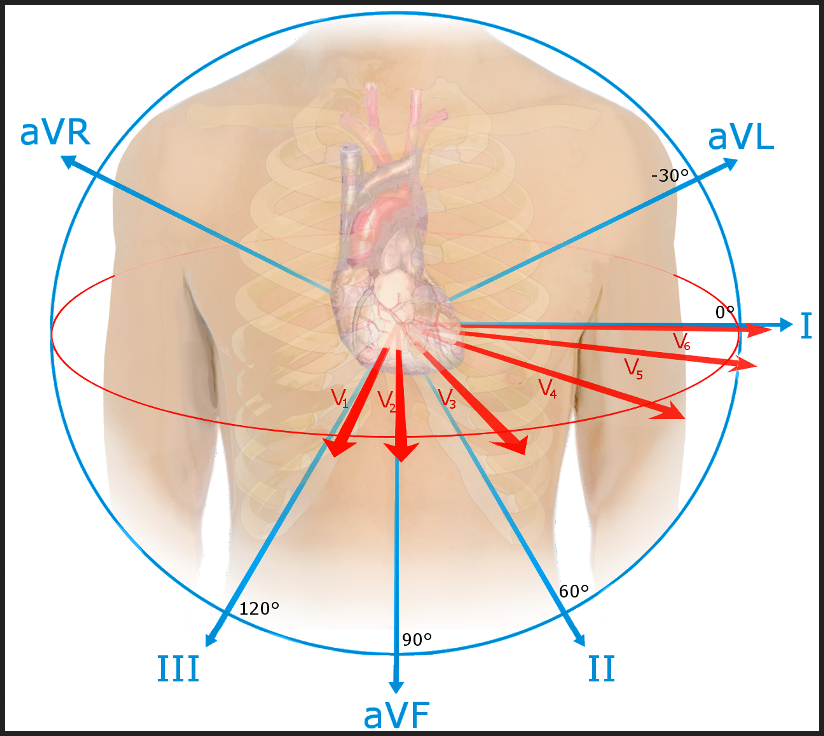
The electrocardiogram (ECG or EKG if you're German) is one of the most valuable diagnostic tools in emergency medicine and cardiology. It provides a graphical representation of the heart's electrical activity, allowing healthcare providers to rapidly identify life-threatening arrhythmias, ischemic changes, and electrolyte abnormalities.
Understanding how to read heart tracings is like learning a new language, once you master the basics, you can quickly interpret the heart's electrical story. The electrocardiogram represents a graphic display of the heart's electrical activity, recorded as waves and complexes on specially calibrated graph paper.
A systematic approach to rhythm analysis ensures thorough evaluation of every rhythm strip and reduces the likelihood of missing important findings. This approach should become second nature, applied consistently to every rhythm regardless of how obvious the diagnosis might seem.
The systematic method involves several key steps that build upon each other to create a complete picture of the heart's electrical activity. Lets start with laying down some of the foundation of a systematic approach to rhythm analysis, which will build upon in further sections.
- ECG displays electrical activity of the heart graphically
- Essential for identifying life-threatening arrhythmias and ischemia
- Systematic interpretation prevents missed findings
- Practice and repetition develop pattern recognition skills